
Before Congress, Rep. John Mannion [D, NY] was a science teacher. Now he represents New York's 22nd District — and he's brought that same classroom instinct to Capitol Hill. In this episode, he talks staffing, constituent access, disability advocacy, and why good people are increasingly reluctant to run for office.
Featured Guest
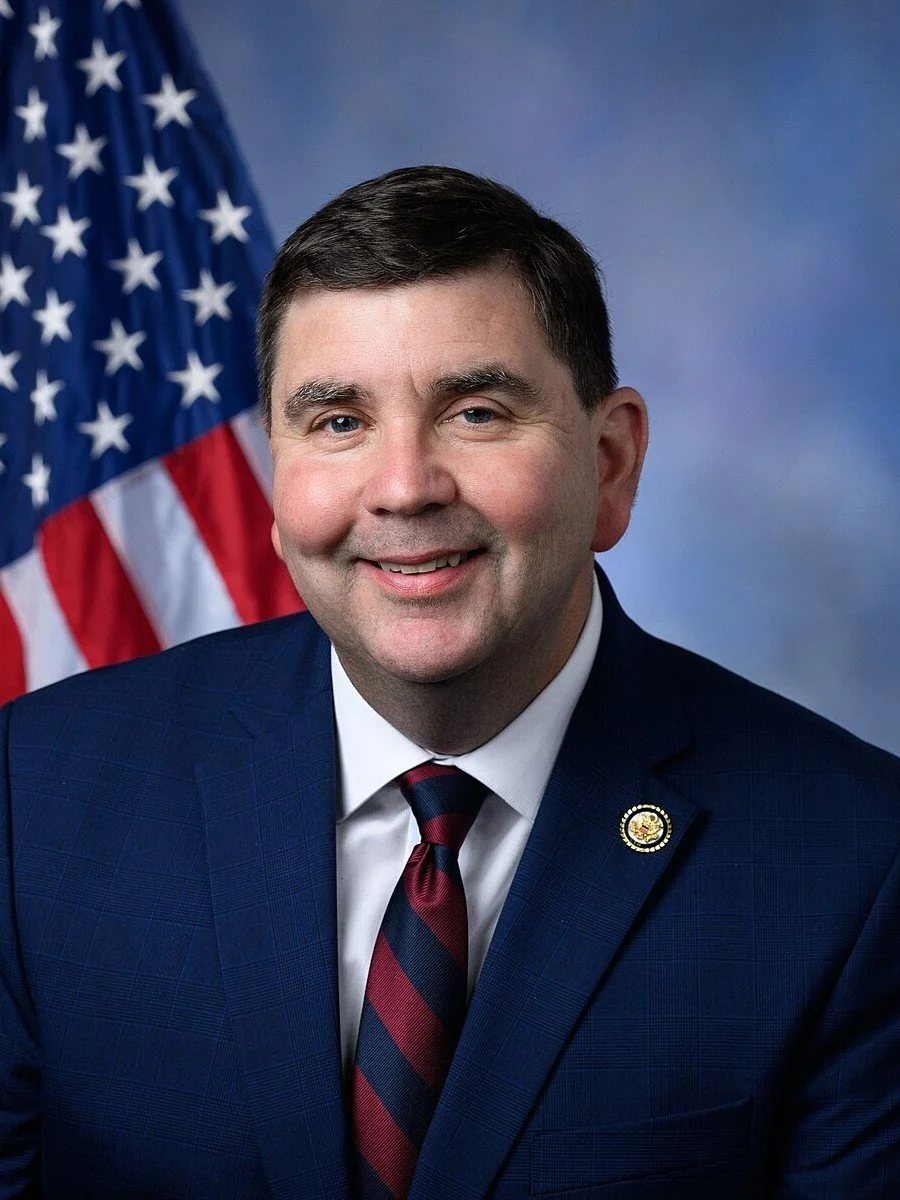
Rep. John W. Mannion represents New York’s 22nd Congressional District. A lifelong resident of Central New York, Congressman Mannion spent nearly three decades teaching high school science, including Advanced Placement Biology and Chemistry. He is a graduate of the SUNY System, attending Binghamton and Oswego.
As a New York State Senator, Mannion served as the founding Chairman of the Senate Committee on Disabilities. Congressman Mannion is a lifelong Central New Yorker and the grandchild of Irish immigrants. His mother worked at New York Telephone and his father for New York Central Railroad, raising John on Syracuse's famous Tipperary Hill. He now resides in Geddes with his wife of twenty-seven years, Jennifer. She has worked for over twenty-five years as an elementary teacher and reading interventionist, while raising their three children.
Notable Quotes
On how he thinks about the role
“I look at my job as doing three big things one, legislation, two constituent services, and three, making sure the district priorities happen here.”
On the chilling effect of today's political climate
“Because it's such a critical climate and one misstatement can end a career? People like me are less apt to share openly and transparently how they feel on things. And that's not good for democracy. It's not good for the people that we represent. And I hope we get away from that. But, you know, it's tough with TMZ down the hall all the time.”
On the declining incentives to serve
“We want good people and smart people and people who are dedicated to the craft, who put this country, you know, first and long term. And I'm afraid we're not going to have people do that. And I've seen some of my colleagues already leave and past Members of Congress who said, you know what, I'm just going to go. And that's not good. It's not good.”
On his one piece of advice for anyone thinking about running
“If you think you're approaching a midlife crisis, buy the Corvette and don't run for office.”
About the Host
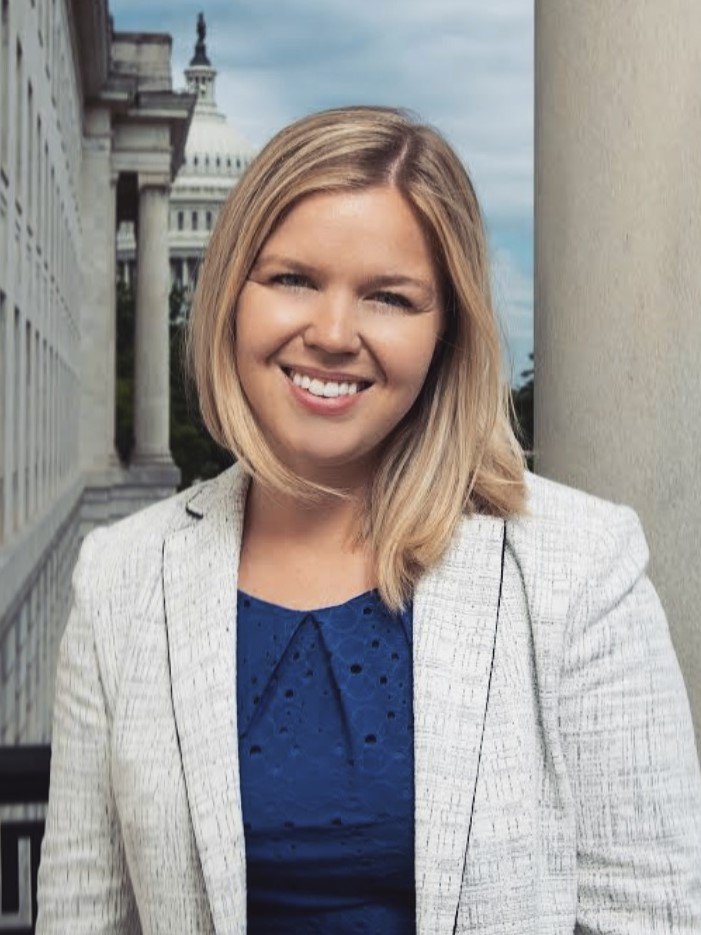
Aubrey Wilson served as former Deputy Staff Director for the Committee on House Administration (CHA) in the 118th Congress under Chairman Bryan Steil. In this role, she coordinated efforts to make the House work more effectively, including overseeing the inaugural session of CHA’s bipartisan Subcommittee on Modernization. Prior, Aubrey served as Director of Oversight and Modernization for CHA under Ranking Member Rodney Davis during the 117th Congress. She is a former House legislative assistant and member of the R Street Institute Governance Policy and federal affairs team. Aubrey’s work remains focused on supporting Congress’ and other parliaments’ internal operations and innovation.
About the Podcast
“Gavel In” is a limited-run explainer podcast series to mentor new Members Elect of the incoming Congress, their staff, and families, to help them prepare for the whirlwind of establishing their new offices, teams and roles in our nation’s capital.
It augments the House of Representatives’ official New Member Orientation and breaks down complex topics in short, easy-to-understand lessons on House Floor operations, office structure and hiring, budgeting, technology, security, ethics, and also the intricacies of parliamentary procedure, rules, and how a bill becomes a law.
Cohosted by POPVOX Foundation’s Managing Director Aubrey Wilson, “Gavel In” is a nonpartisan resource to demystify the experience of working in Congress.
About POPVOX Foundation
POPVOX Foundation is a nonpartisan nonprofit organization with a mission to help democratic institutions keep pace with a rapidly changing world. Through publications, events, prototypes, and technical assistance, the organization helps public servants and elected officials better serve their constituents and make better policy.
Transcript
Season 2 Ep. 3: In Session with Rep. John Mannion
Aubrey Wilson: Representative Mannion, thank you so much for joining us on Gavel In.
Rep. John Mannion: Thank you for having me on. It's really an honor to be able to participate.
Aubrey Wilson: Well, you are no stranger to legislatures. Will you please tell us how you got to Congress?
Rep. John Mannion: Absolutely. So listen, before I was in the state legislature, I was a science teacher for a long time. I was an AP biology and chemistry teacher. My wife is also a teacher and has been for a long time. So I didn't have political aspirations. But I will say a couple things in the state of New York that were changes to the teacher evaluation system, overemphasis on 3–8 testing and and dramatic budget cuts. As it was a tough time like in the early 2010s. So I, I advocated for public education in Albany at that time. And then when I was teaching in 2016, knowing that we had growing disapproval for elected officials and growing frustration with government. I've been teaching juniors in high school for a long time. They watched the 2016 presidential election, and I, who have been through many presidential elections, did not want these 16 year olds to who this might be the first one they were really paying attention to. To think that this was was normal, normal operating behavior. Again, we could go into details, but a lot of that was unprecedented. And here we are ten years later. We have sort of similar, I guess I would say division and rhetoric and worse in many ways. So that's why I ran I ran for state legislature in 2018. I lost by 2%. I ran again in 2020 and I did win by 5%. Then I got redistricted, which is certainly a very popular word lately, into a less friendly district, and I ended up winning by ten votes with 125,000 votes cast. So then I had made a decision to run for Congress, and I did win. I'm really proud to represent the place I've lived in my whole life, and my wife as well. New York 22 with Syracuse and Utica, Cortland, Auburn. It's a great place to raise a family, and we're really on the upswing. So that 2016 election was something that activated a gene. If I may go back to my biology teaching, a political gene that said we can do better. And in Central New York and the Mohawk Valley, where I'm from, people are kind. We expect a lot from our leaders. We expect them to work together. We don't like cruelty. We do like the truth. And I try to make sure I'm a good reflection of that district every day.
Taylor J. Swift: That is such an interesting way to to be to join Congress. And, you know, you mentioned the 2016 election and kind of working your way through the state legislature up into Congress. Can you kind of talk through as you're in your first couple of years here, what has been your experience in Congress, and how is that differed from being in the state legislature? I know you just mentioned some of the the rhetoric and, you know, the angles, but we'd love to hear a little more.
Rep. John Mannion: Listen, I, I'm paying attention to the political climate. And I did get a chance to serve in the state legislature. So I had a good idea of what I was getting into. Right. And I knew that it would be challenging. I did not know whose administration I might be serving under. I did feel good about winning, you know, my chances of winning in 2024. So I served 17 days under the Biden administration, and then President Trump is sworn in and out come a lot of executive orders, right. We can talk about that maybe a little bit down the road. But I will tell you one difference, which again, maybe isn't super exciting. But in the state legislature, the committee work was not as robust as it is here. And when it comes to hearings again, I'm in the minority. I don't have the gavel. I don't get to set the hearing schedule. But the hearings are a way that are, you know, pretty in-depth and certainly a way for accountability. But then the amendment process, the markup process. And I'm going to say this with the best of intentions. But when you really have bipartisan back and forth and you have people more willing to not stay along party lines and work together and get things done, I can already see that that committee process has is is again a significant one, a detailed one, one that is supposed to function in a certain way. So again, this isn't the most exciting thing in the world, but I got to see a big difference in how the committees function and the committees that you're on. And for me, it's education and agriculture. They're they're much more important than having to know everything in the state legislature. You really do have to be, you know, an expert on these issues, on the law, on pending legislation, etc., in committee. And it's kind of your duty and your colleagues are expecting you to be an expert on those things as well.
Aubrey Wilson: So that's a pretty incredible, like insight into an aspect of the job description of a Member of Congress that I think really overwhelms new Members, because there is that depth of knowledge that's needed. You're obviously playing on a new field because it's federal level policy. So even if you have experience in the state on those topics, you really it's like the major leagues, right? And so we talk about how as a freshman in the minority, how you've been effective on committees or like how you staff so that you are successful in understanding all that background knowledge going into these committee hearings?
Rep. John Mannion: Sure. Well, first of all, I've got a great team here, you know, and we know how important staff are. And, you know, they're also good teachers in many ways as well. They have to provide manageable amount of information to us. And they've got to get a sense of, you know, the principals want and need to be in the weeds or not in the weeds, and probably more so on some issues than others. So staff is critical. It's really very important. And and key to a success of a Member. The other thing I want to say is like, you know, one thing I wish there was more of and what actually what I saw in the previous Congress was more individuals crossing the aisle when it came to votes, and also how some previous legislation, in my opinion, unfortunately, has changed to take out some things that are really necessary and good for both sides. So, you know, I say this all the time as a Democrat in a swing district, I represent a lot of Republicans. So when it comes to legislation, I'm fighting for them. I'm fighting for the people in NY 22. And if something comes down where we're from, the administration, where we're trying to punish a blue state or a red state, you know, it's going to hurt a lot of Republicans who didn't vote for me. And I'm here to represent them, too. So a couple of accomplishments that we had, you know, the MATCH Act, which is something that is we're hopeful on and we're getting support behind, is to make sure that our semiconductor chip manufacturing technology remains here and doesn't go to China in central New York and the Mohawk Valley. We've got a long history of innovation. In fact, my grandfather worked, came here from Ireland, worked in an automobile plant making luxury automobiles in Syracuse, New York. It was an air cooled engine, an airplane engine in a automobile. And that history or that legacy of technology continues. We have the largest private investment in the history of the country coming into district with Micron to make semiconductor chips. So we're very excited about that. But this is tied to that project. And I was, you know, really grateful that I had the chance to work at the state level on Green CHIPS is what it's called, which ties into CHIPS and Science, which allowed this to happen. One other quick thing is, as an educator and married to someone who's an expert in literacy, you know, we've been teaching reading for a long time, and I'm certainly pro teacher autonomy, but we've learned a lot, and particularly in the last few years, about the science of reading and phonics based instruction. So my piece of legislation went through the Education and Workforce Committee and passed unanimously tied to the science of reading and how these federal grants go out. So I'm very proud of that. You know, we can work together. We can get things accomplished. We do have serious challenges in this country. So we better do that. And also, you know, I supported the Whole Milk for Healthy Kids Act, which was bipartisan.
Aubrey Wilson: So I think that those stories are so exemplary of of strategic advancement of obviously policy issues that you're passionate about because you had started those conversations at the state level. And so you obviously have this rich background of context. And then when you came into Congress, you've obviously continued with those projects. Can you talk a bit about being a freshman and advice to incoming freshmen about, like setting your policy priorities and staying focused? Because obviously the Congressional calendar is so reactive, and I think that people see that side of Congress, they don't see the long work that goes into actual legislative strategy. So how have you balanced having this like strong policy agenda that you're seeing progress on and reacting to kind of the whims of the news cycle?
Rep. John Mannion: Well, that's a great question. I think I got to say two things. One, I look at my job as doing three big things one, legislation, two constituent services, and three, making sure the district priorities happen here. Okay, so let's just take legislation, which was what your question was about there. And maybe we come back to the others. But when it comes to this legislative calendar, it's a busy one. Again, we pass more things in the state, but somehow this is a busier calendar. Certainly it's January through December. It's three out of four weeks a month on average. And you know, that can get busy. So we've got to stay on top of the committee calendars and the markups and what legislation is going through. But when one of the first things we do every week is I meet with my legislative team and we talk about just that, we carve out a section of that time, it's like, okay, what are we going to do? How are we going to make our mark? Is it going to be regarding, you know, co-sponsorship, our own legislation, discharge petitions, whatever it might be? And for me, one thing I haven't mentioned yet is when I was in the Senate in New York, New York State Senate, I was the only at that time disabilities chair. So as the chairperson of the Senate Standing Committee on Disabilities, and when we have great challenges in our country and things get more challenging, it's often those that have that it's more challenging for them to advocate for themselves, that kind of get left behind. And, you know, again, not to get too much into the cycle, but, you know, I fought to extend the Affordable Care Act tax credits and rejected the cuts to Medicaid and Medicare. And my concern is with that population right there. So I always have to keep in mind that I'm here fighting for everybody, including what might be our most vulnerable, which may not be able to advocate as strongly as some others because of a whole bunch of reasons. And we know the lobbying dynamic here in DC. So I want to make my mark in that space here when I'm in Washington, and I can speak to what I did in Albany, which is their cost of living adjustments that come to our voluntary nonprofit providers. They had not received a cost of living adjustment in over a decade. 85% of the system in New York is not the state system, it's voluntary providers. And in central New York we have long standing great providers. But they were really challenged because of this lack of cost of living adjustment. We got four of them, one in each year that I was in office. Record cost of living adjustment increases. We also worked on employment dynamics. 70% of individuals that are identified with a disability are unemployed. It's the highest percentage of any demographic. So working on programs to make sure that they have pathways to their careers to find their passion, and also apprenticeship programs and anti-stigma campaigns. I hope to duplicate some of that work here in in DC and those are the things that I'm passionate about. We can work on what's considered the big stuff. But I consider this stuff the big stuff too.
Taylor J. Swift: Absolutely. And I think you explain it in such a way that I think everyday Americans can kind of understand those difficulties in that struggle and making that human connection around what you're doing here in DC is extremely important to those back home. And, you know, you've mentioned it over and over again about representing all of your district. And a couple of moments ago, you talked about the importance of going back to the district. We'd love to hear kind of how you're translating some of these things that you're doing every single day in DC to the folks back home, whether it's town halls or, you know, going around town. We'd love to hear more about that.
Rep. John Mannion: Well, I represent I consider myself very fortunate because I'm in an upstate district in New York, number one, where I've lived in my whole life. Number two, I lived just west of center of the district, just I guess I was more than west of the center a little bit. But I can get everywhere in the district in a car ride, about an hour and 15 minutes at the most on a good day. Not in the winter for those of you that have visited, but but we also know how to drive in that stuff, so I, I, I say my mother wouldn't recognize me because I'm a hard worker. I try to get to all ends of the district. I represent Onondaga, which is the largest county, which is where I live, which is where Syracuse is the entire county, Madison, the entire county, and then parts of Cortland, Cayuga and Oneida. When I have an in district work week, I try to get to every county, and I take pride in the fact that I do. You know, I mean this with the best of intentions to my constituents. I want to prove them wrong because they've got a new representative. And district lines have changed sometimes. So I want them to know that just because I'm an underdog, a county kid, doesn't mean I'm not fighting for them just as hard. So we hustle, we get down to those districts. We have multiple office hours and constituent coffees in every area of the district. I'm proud to have translated something I did in the Senate, which is what we call a senior fair or community fair. We have those in every single county. The biggest one is a massive one that will be coming up here at the end of May, and just outside of Syracuse and a community college. And then we hold town halls. And I have found that, you know, people love in-person town halls. And that's great. And we do those. But the telephone town hall can catch so many more people, you know, 10,000 people on a telephone town hall. I initially was like, you know, I want to do the in-person ones. I can get to 200 people, you know, maybe we live stream it or whatever, and that's fine. But on those telephone town halls, we get the people on the phone, they can answer any, they can ask any question. And and people appreciate it. You know, they really do. And I hear that all the time. So I've only received it's been a very positive experience for me in this first 16 months in a very toxic climate, because back home people are nice. And, you know, I can go to the grocery store. I don't get, you know, shouted at or anything like that. People are kind and they say, I'm really even if they didn't vote for me, I'm really appreciative of how you advocate for us, or I'm really appreciative of all the access that you provide. There's always going to be some naysayers, but we people want transparency. They want to be able to see their representative. And I will say this before I ran for office, I, I know this to be true from before and after. Is that because it's such a critical climate and one misstatement can end a career? People like me are less apt to share openly and transparently how they feel on things. And that's not that's not good for democracy. It's not good for the people that we represent. And I hope we get away from that. But, you know, it's tough with TMZ down the hall all the time.
Aubrey Wilson: It truly is. And I think that that's actually one of the best parts of this conversation for me so far, is actually just hearing what you were just saying about your personal experience of going back home and having so much support by your community and having people come up, and that it's a good thing, because I think that there is so much news coverage of all of the increased threats against Members of Congress, and I do think it's leading a lot of people to have a lot of fear about what it's like serving and what that actual experience is like for you and for your family. And so it's obviously your district sounds like this wonderful place where you have like, so much just like decency with the people there. But it's also just nice to hear to you that there's some decency in the halls, because I don't think that there's a whole lot of transparency about that kind of relationship between colleagues that's formed. I was wondering, in our last couple of minutes if you could share. One of Taylor and I favorite questions to ask is having our guests share. What kind of surprised you the most about being a Member of Congress? I think there's obviously a lot of misconceptions about what that will be, but also a lot of very true kind of prep about, you know, it's going to be a very demanding job. It's not obviously the same thing as being in the state legislature, but like, what was the thing that you and I, now that it's been 16 months, what was the thing that you have truly been taken aback by, if anything, about being a Member and what that lifestyle is like?
Rep. John Mannion: Sure. Yeah. Thank you for the question. Listen, I've been around the block. I'm no spring chicken. You know, I'm 57 years old. My children, as you mentioned, family. You know, my wife is incredibly supportive and she's still working, you know, and she's passionate about education and literacy and learning intervention, you know. And she continues to do that. My kids have graduated from college that are in their 20s, and they all live locally and are working, you know, so they still feel the heat. They really do. They get caught with a question. It's really unfair. Sometimes it impacts their relationships, you know. So when you ask what's surprising in a way this is surprising. You know, I go to a lot of schools back to preschool all the way to college, and it's one of my favorite things to go back into the classroom. But I'll get the question, what's what's the best and what's the worst? And honestly, the best is being able to go talk to young people, whether it's a college level or preschool, and share with the experiences like, and let them ask any question at all. You know, whether I drive to work in a limousine or, you know, I met Nick. It's a bizarre range of questions. So anyway, but, you know, what's surprising is that and unfortunate is that my family does have to worry about security concerns. Like we were kind of chatting about there, even though I'm in a district where we really character does matter and we have a lot of good people, that unfortunately is a concern post, you know, what happened with Melissa Hortman and Charlie Kirk. So we've got to be careful about that. Certainly. And we are. But we want good people to run. And I see and you've probably both seen that there are fewer and fewer incentives. And I hate to use that word, but it's the reality. It's that why would you put yourself through this? You're so highly scrutinized. Lies can be told about you, right? And you cannot necessarily combat those huge stretches of the truth, blatant lies, all of that. And, you know, we want good people and smart people and people who are dedicated to the craft, who put this country, you know, first and long term. And and I'm afraid we're not going to have people do that. And I've seen some of my colleagues already leave and past Members of Congress who said, you know what, I'm just going to go. And that's not good. It's not good. So there's an unfairness in this and in the best interest of this country. You know, I hope we can come together. I hope that we reject some of those things that happen out there that beyond our control from the bots, from the paid people, from all of that, that only further divide us. And, you know, media, social media, those that survive are often ones that have appealed to a certain side of the aisle. And as a result of that, we keep getting fed different pieces of information, which causes greater division and and less of a likeliness to work together, when, again, it's great when it does happen. When I sit through a hearing that hasn't been politicized and we're truly working on important things like screen time for kids, mental health in schools, and how to best, you know, get this country in a good spot for the next generations. So anyway, I don't know if I answered your question, but I do know that that those are some things that have to change. And and we've got to give each other grace to break from the party, work with each other, be a decent human being. And I have seen that here. I think there was a lot more of it a few years ago. But but hopefully, you know, we are held accountable by the voters, and the voters should support people who are truly willing to work together and not be divisive. And I wouldn't be here if I didn't believe that that can happen.
Taylor J. Swift: It's extremely well said. And Aubrey and I are big proponents of creating those incentive structures, both on the campaign side and within the institutions, so that you can do that kind of conducive problem solving, the kind of representation you've been talking about, having strong district connections, everything you're saying resonates with both of us. And honestly, a lot of our guests that we've had that are Members of Congress, both current and former. Before we break, we have one final question we like to ask everybody right here at the end. And that that would be could you give one piece of advice for someone that is running for Congress right now? And, you know, maybe they're listening and they're about to be sworn in in January, or maybe they're listening right after they're sworn in in February of next year. If you could give one piece of advice to a new Member, what would it be?
Rep. John Mannion: Well, listen, I this is, you know, I hope these Members don't take this the wrong way. And because I'm from the northeast, we're pretty sarcastic. But if if you think you're approaching a midlife crisis buy the Corvette and don't run for office.
Aubrey Wilson: Especially especially with the note. That indeed, Members of Congress do not get to ride in limos. Everybody. And so the midlife crisis for the Corvette, that's not a that's not an equal. We do not ride to Congress in a limo.
Rep. John Mannion: And I know you're wrapping up, but I do want to say this too, you know, what's along the lines of the lies and the frustration is the misinformation that's out there about, like, we get our full pension if we've only been here five years or whatever, or we get fully paid health care or we get all these things, you know, those things aren't true. And it only creates a further a distrust of government and distrust of us, you know, so when it comes to like banning stock trades, I'm for that the same thing with the prediction markets. But also, you know, I wish we would all do a better job of defending ourselves because it's not an easy job. And sure, we're paid well, but there's a lot of expenses and a lot of costs beyond the financial. And, you know, the lies just aren't aren't helpful. And I hope people can trust their elected officials. Some of it is beyond our control. That isn't truthful. So anyway, thank you for letting me insert my two cents there.
Aubrey Wilson: Well, I'm going to say you're definitely preaching to the choir. I think that I think that Taylor and I are right along there with you and understanding that, you know, the Members really do make up the institution. And there are a lot of misconceptions about what that institution really looks like from the Member perspective. And, and I just I want to thank you so much for your transparency and for willing, willing to come onto the podcast. It has been so wonderful to have you join us for this conversation, and just thank you for being one of the Members who truly is working across the aisle and pursuing policy that, you know, once again, just has roots so strongly linked to your district. And thank you and your staff for all of the coordination to come on today, too. We've really enjoyed having the chance to talk with you.
Rep. John Mannion: Thank you for having me on you're absolutely right. My staff is doing a fantastic job including me getting on this podcast, so I thank them.
Taylor J. Swift: Awesome. Thanks so much for your time.
Aubrey Wilson: Thank you.