Reclaiming the First Branch: Eight House Rules Changes for the 120th Congress
Eight practical House Rules updates for the 120th Congress would modernize how the first branch works, strengthening Congressional capacity, evidence-based lawmaking, and oversight. By replacing language from the era of paper and stenography, the House can keep pace with fast-changing technology and serve constituents better.
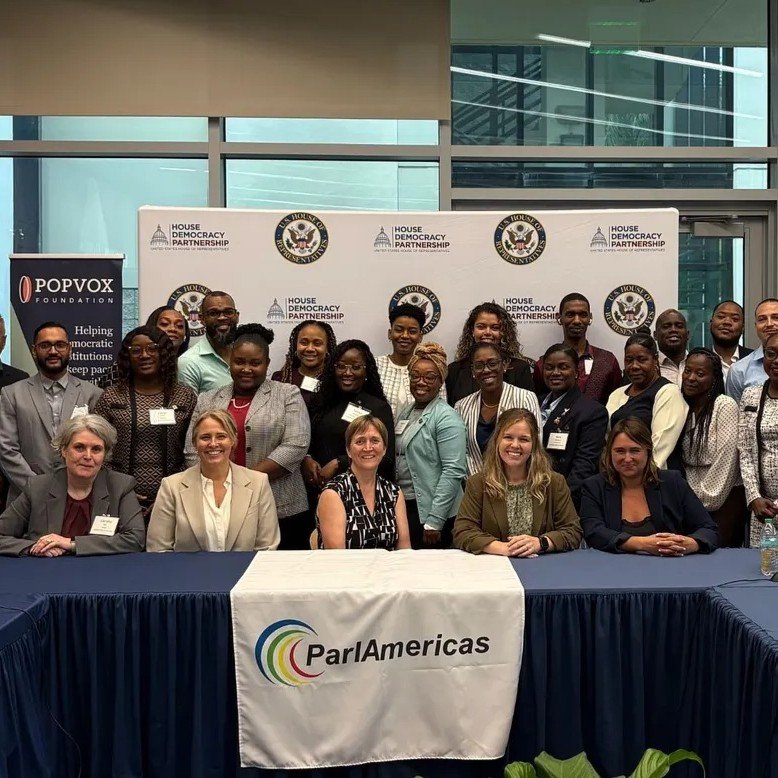
AI and Legislative Workshop with Caribbean Parliaments
POPVOX Foundation, the House Democracy Partnership, and ParlAmericas convened staff from 17 Caribbean parliaments in Miami to explore AI adoption, digitization, legislative data standards, and Hansard workflows. Delegates built tools live and received invitations to join the Digital Parliaments Project.

Building the Future of Parliaments, Together: Digital Parliaments Project 2026 Q3 Convening Progress Report
The Digital Parliaments Project's Q3 2026 convening recaps summer regional workshops in Albania, Ghana, and Miami, new ParlLink updates including a chatbot creator and added languages, upcoming AI assessment and training resources, vibe coding experiments, and plans to expand the global parliamentary community.

Model Legislative Text: Giving Congress Standing Access to Program Data
POPVOX Foundation's draft legislative text gives Congressional committees, GAO, CBO, and CRS standing, automated access to federal program data. Drafters can add the modular provision to authorization or appropriations bills, requiring machine-readable data, unthrottled access, and annual agency compliance certifications to strengthen Congressional oversight.
AI’s Exponential Change and Riding the Wave
AI models are accelerating faster than staff can track, with AGI claims, agent swarms breaking sandbox limits, and new watermarking and data-retention rules reshaping the landscape. Congressional staff get practical context on these developments, plus guidance on vibe coding and POPVOX Foundation's upcoming Three Horizons vision for Congress.

After the Bill Passes
California's pilot Outcomes Review program brings lawmakers back to examine how new laws are working in practice, from wildfire mortgage-forbearance protections to the 988 crisis lifeline. New NCSL survey data also tracks rising generative AI adoption and governance policies across state legislatures nationwide.
Casework Navigator: New Report on the State of Casework
Congressional casework demand is rising as federal agencies decay and constituents turn to legislative offices for help. A new report, The State of Congressional Casework, examines this trend and introduces the Constituent Service Institute, a nonpartisan nonprofit continuing casework research, advocacy, and support for caseworkers nationwide.

Announcing the Casework Navigator Program’s Next Chapter: The Constituent Service Institute
POPVOX Foundation's Casework Navigator Program is spinning off into a standalone organization, the Constituent Service Institute, led by Anne Meeker. Built on years of webinars, training manuals, newsletters, and research supporting congressional caseworkers, the new institute continues advancing dedicated resources and education on constituent service.
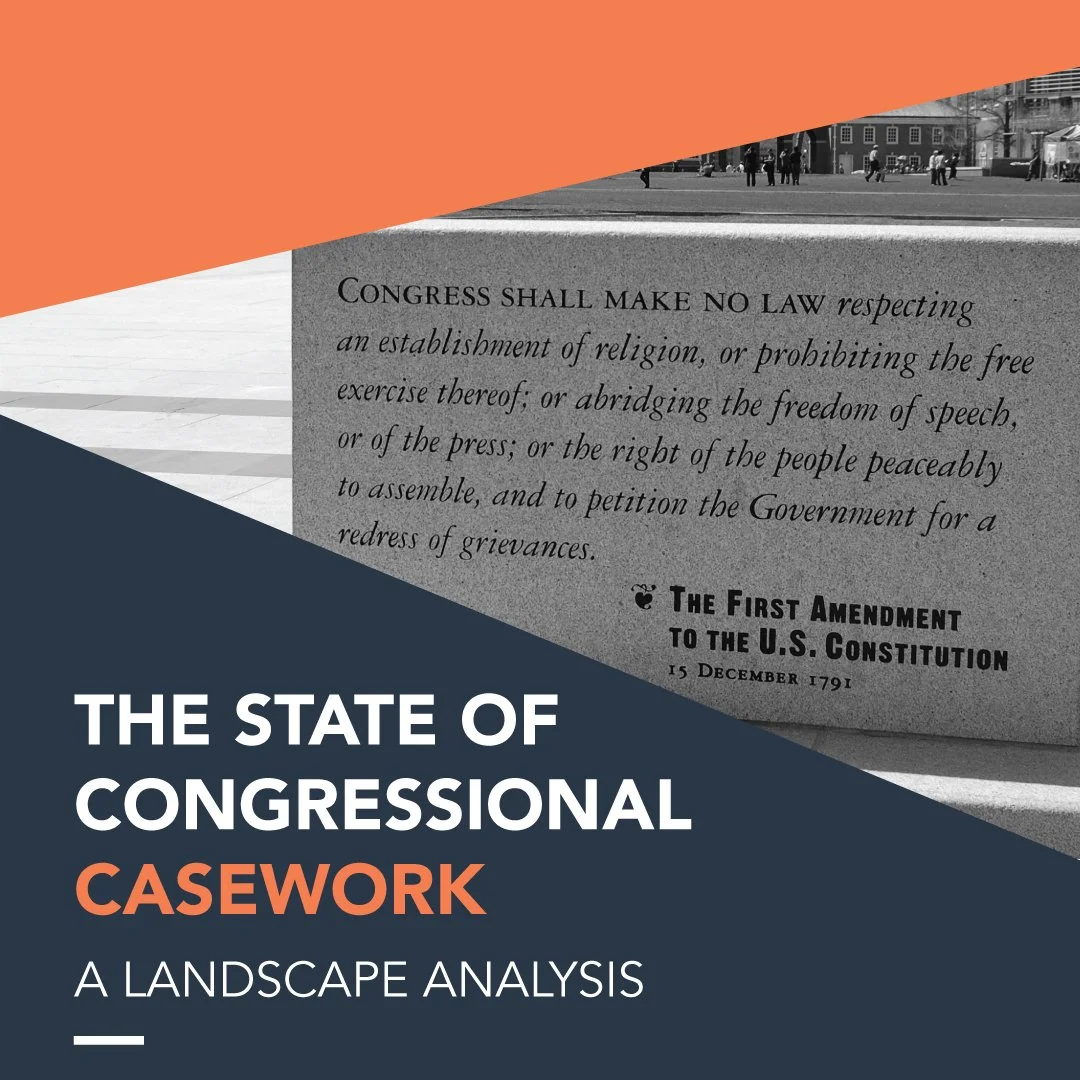
New Report: Congressional Casework, the Last Safety Net for Americans Caught in Federal Bureaucracy, Approaches a Breaking Point
Congressional casework is straining under mounting demand, as constituents increasingly turn to their representatives to resolve problems with federal agencies. A new landscape analysis traces this rise to policy decay and implementation debt, and outlines five recommendations to modernize constituent services.
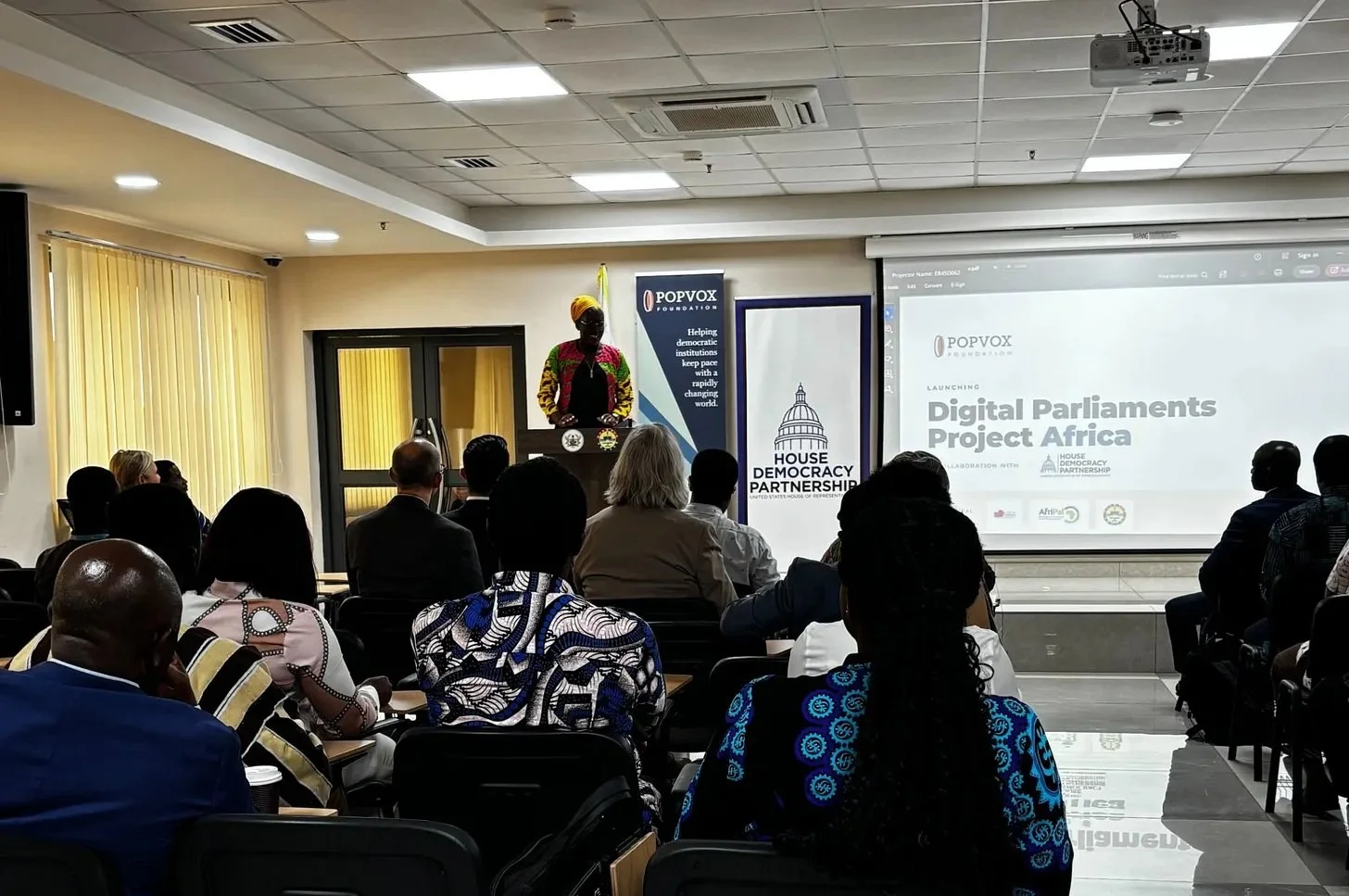
POPVOX Foundation Launches Digital Parliaments Project in Africa
The Digital Parliaments Project has expanded into Africa, with POPVOX Foundation and the House Democracy Partnership launching the initiative at a ceremony hosted by the Parliament of Ghana, uniting leaders from across the continent to advance AI-enabled tools for legislative transparency, constituent engagement, and parliamentary modernization.
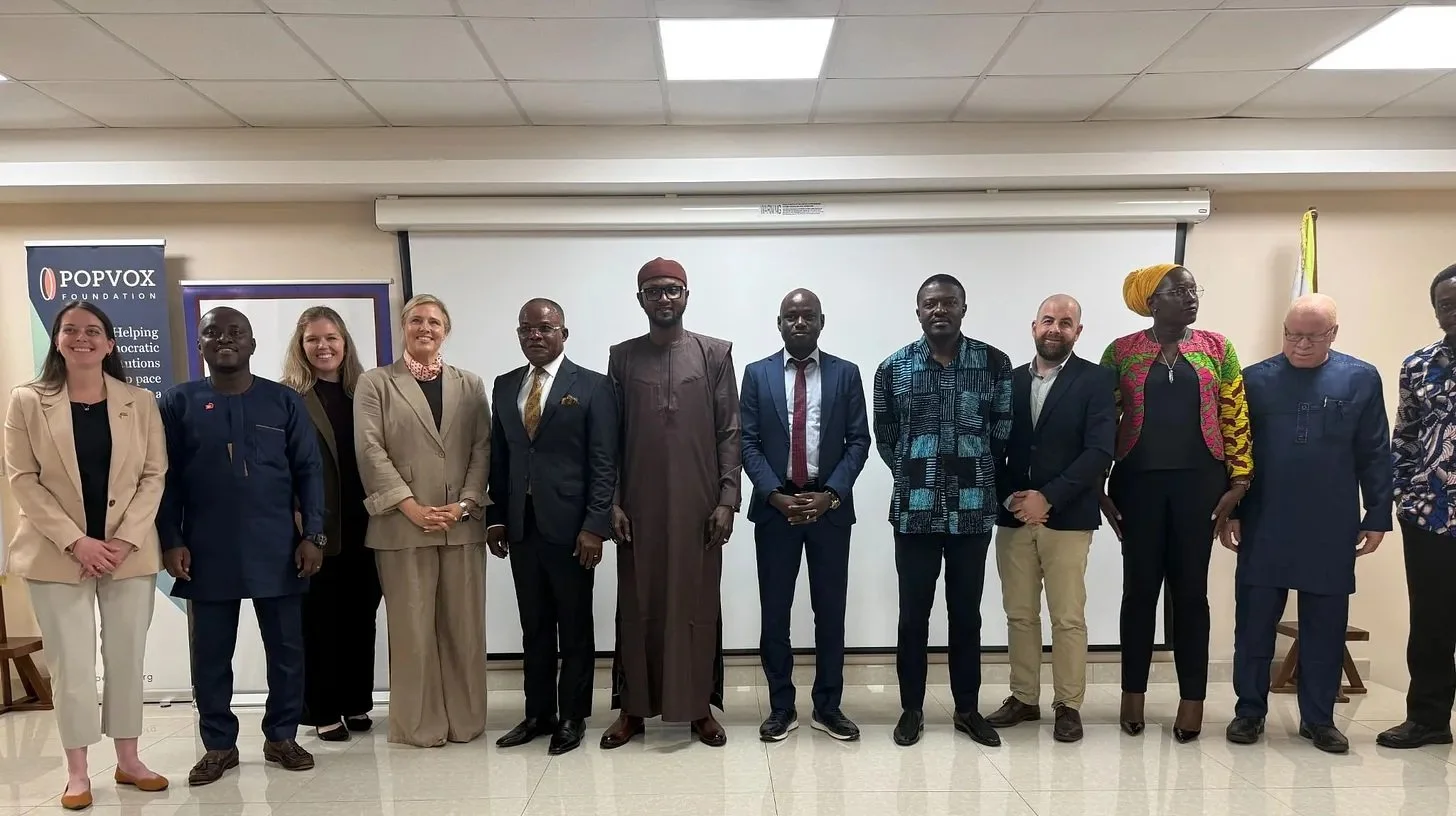
Digital Parliaments Project Launches in Africa with Workshop in Accra
Parliamentary staff and institutional leaders from Ghana, Botswana, The Gambia, Senegal, South Africa, and the Pan-African Parliament gathered in Accra for the launch of the Digital Parliaments Project Africa, building skills in AI adoption, digitization, and governance modernization through hands-on training and cross-institutional knowledge sharing.
From Shadow to Institutional AI
Parliaments worldwide are adopting AI faster than they're governing it, with unsanctioned "shadow AI" tools signaling gaps in official systems. Institutional AI offers a framework separating legislative AI from consumer or enterprise tools, keeping core functions human while AI assistance scales with a decision's stakes.

AI and Legislative Modernization Workshop with Balkan and Moldovan Parliaments
POPVOX Foundation, in collaboration with the House Democracy Partnership and hosted by the Albanian Parliament, convened parliamentary staff from Albania, Kosovo, North Macedonia, Serbia, and Moldova in Tirana from July 20 to 23 for a workshop on AI and parliamentary modernization.
Congress is Investing in Custom AI. Here are the Questions that Need to be Asked.
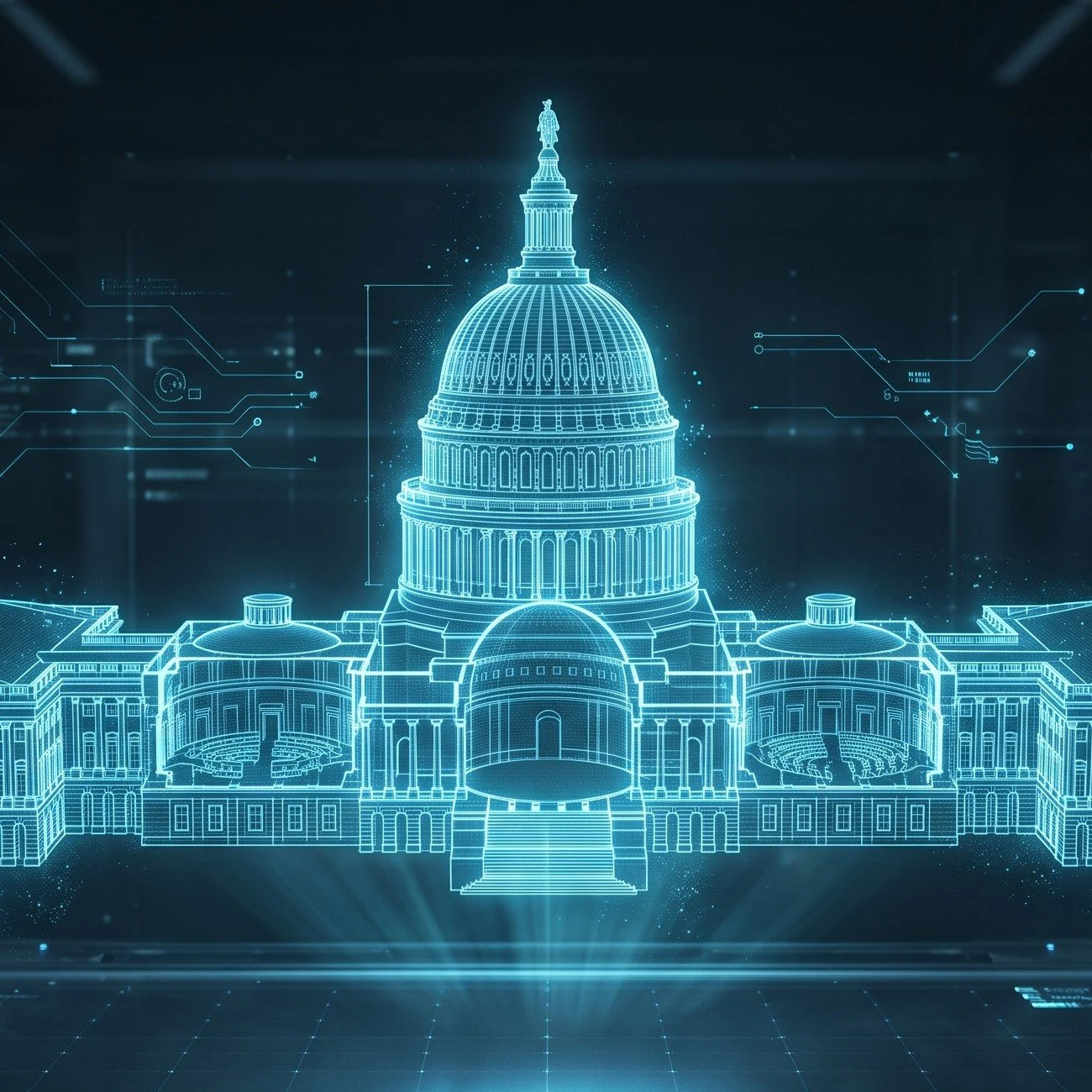
The House of Representatives and Library of Congress are pursuing custom AI initiatives like Mia and PRISM, raising key questions about model selection, security, and vendor lock-in. Weighing closed versus open-weight models, retrieval-augmented generation, and fine-tuning, durable success depends on investing in institutional data infrastructure rather than any single AI model.
AI Model Customization: Why it Matters for Policy Makers
Meta's Muse Glimmer, Moonshot AI's Kimi K3, and Thinking Machines Lab's Inkling mark major open-weight AI releases, reshaping competition with closed providers and raising policy questions around foreign models, security, and accountability.
How Parliaments Are Learning to Live With AI
The European Parliament, Chile's Chamber of Deputies, and the US House of Representatives are testing distinct approaches to institutional AI adoption — centralizing access through a new platform, regulating disclosure and accountability, and empowering staff to build their AI tools — revealing three competing theories about legislative AI risk.
AI Sandboxes, AI Staff, and the Global Pacing Problem: POPVOX Foundation at NCSL 2026
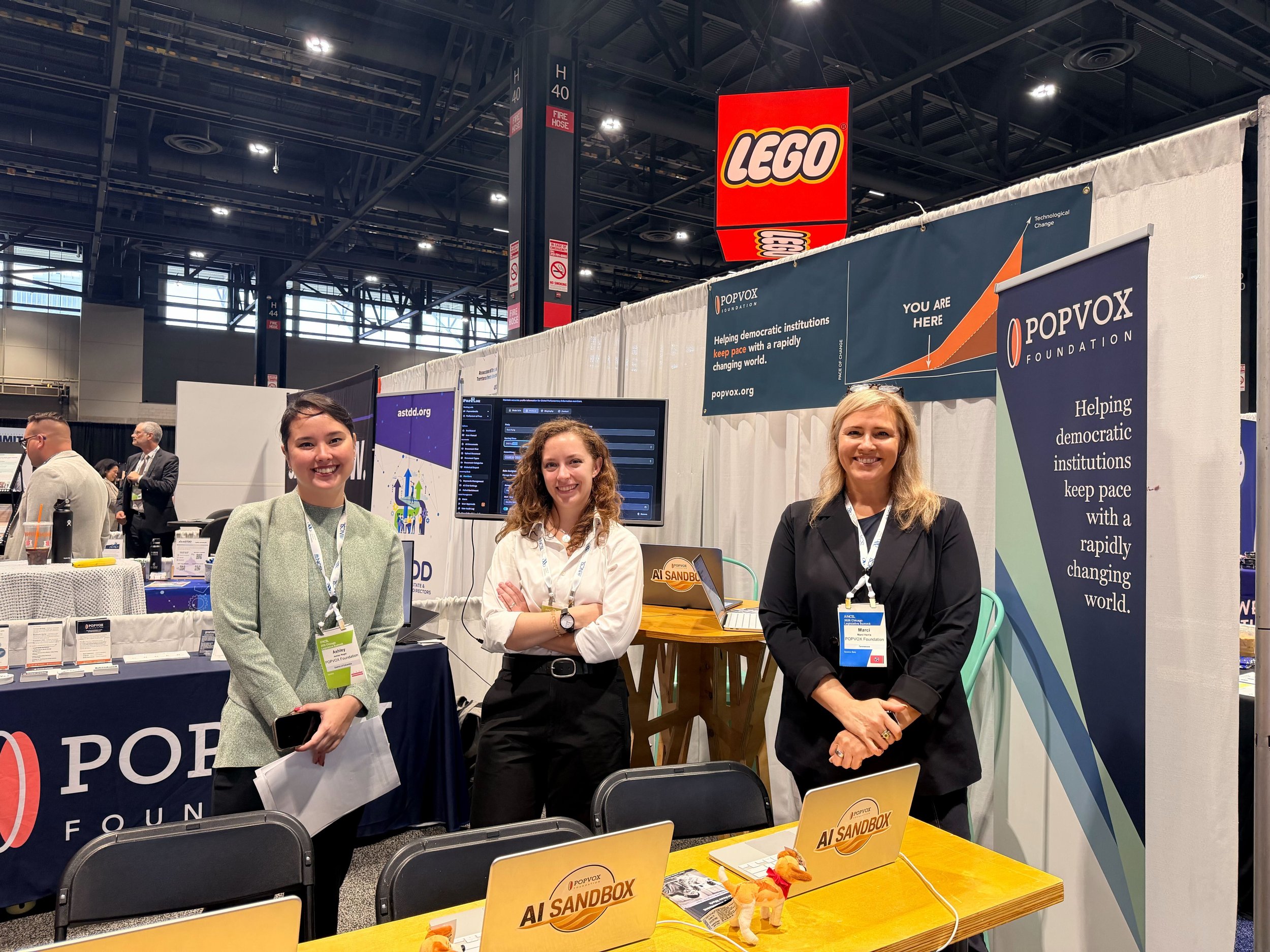
POPVOX Foundation brought AI sandboxes, casework research, and global parliamentary partnerships to the 2026 NCSL Legislative Summit in Chicago, unveiling State Legislative Capacity in the AI Era, demonstrating hands-on AI tools for legislative staff, and convening state and international leaders on constituent services, casework innovation, and the Digital Parliaments Project.
The AI Industry Changed, Again.
Open-weight AI models from China and the US are closing the gap with frontier systems, autonomous AI cyberattacks are raising new security concerns, and the House launches an Innovators Pipeline for staff-built tools. State legislatures also confront capacity gaps in adopting AI responsibly.
Conferences, Convenings, and Capacity
State legislatures across 22 states are adopting AI for bill research, constituent communication, and back-office operations, from Arizona's Skywolf to custom GPTs built by lawmakers. Our new report examines governance gaps, capacity-building strategies, and practical recommendations for responsible, institution-wide AI adoption in America's statehouses.
What AI Reveals About Legislative Capacity
State legislatures across the US show uneven AI adoption, with staff usage nearly doubling in a year while formal policies lag behind. Institutional knowledge often rests with single experts, and human review requires genuine source verification, not passive oversight of AI-generated output.