
View From the West Balkans: North Macedonia, Kosovo, and Albania
BY MARCI HARRIS
In late January, I had the honor to take a quick trip through North Macedonia, Kosovo, and Albania. I'm still processing how much momentum there is right now inside parliaments that are asking the right questions about technology.
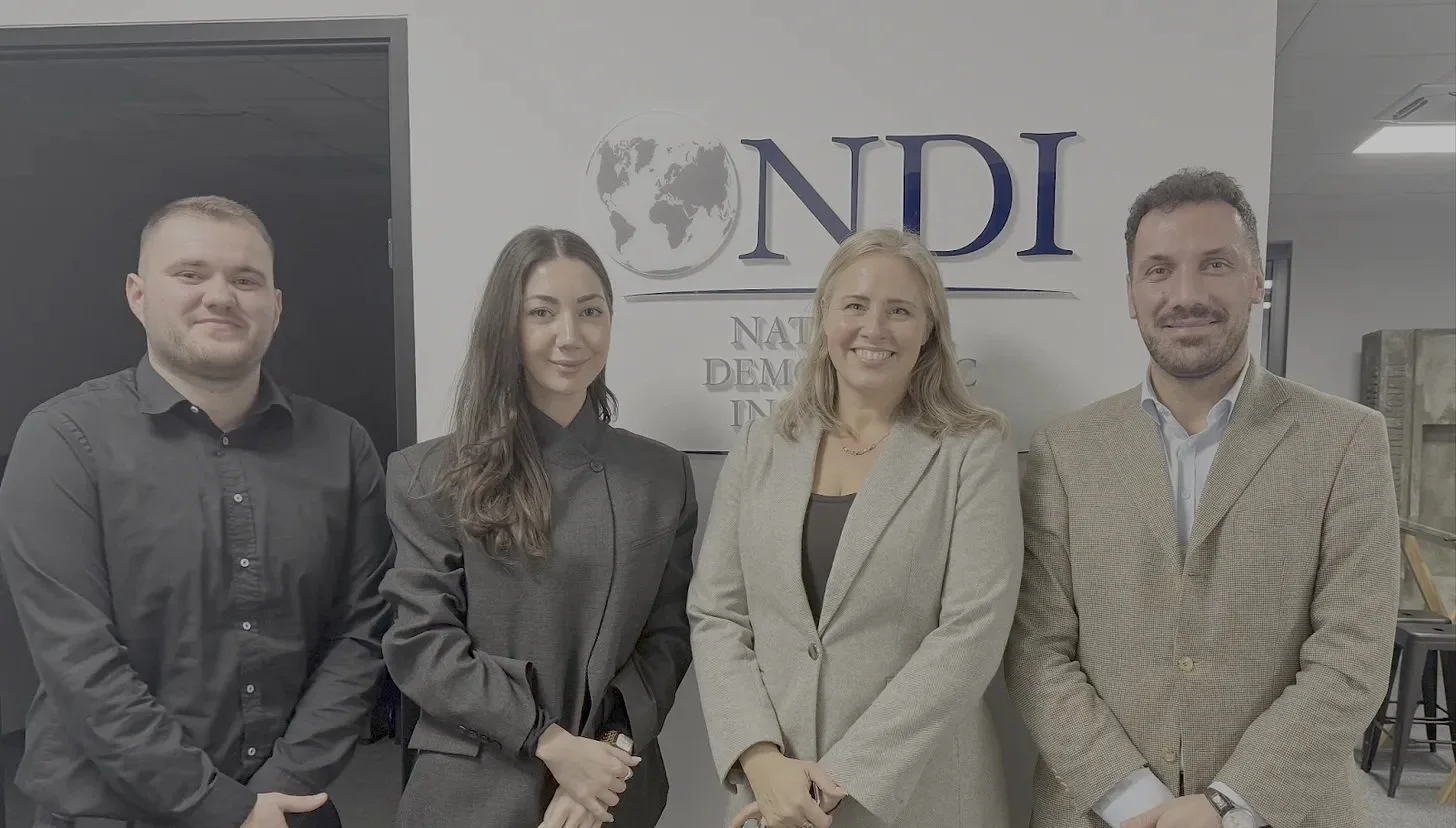
At each point, I was honored to meet with the dedicated teams of the National Democratic Institute, who continue their work on legislative strengthening through a multi-year grant from the Swiss government.
Skopje: Students, parliament, and the feeling of “we can actually do this”
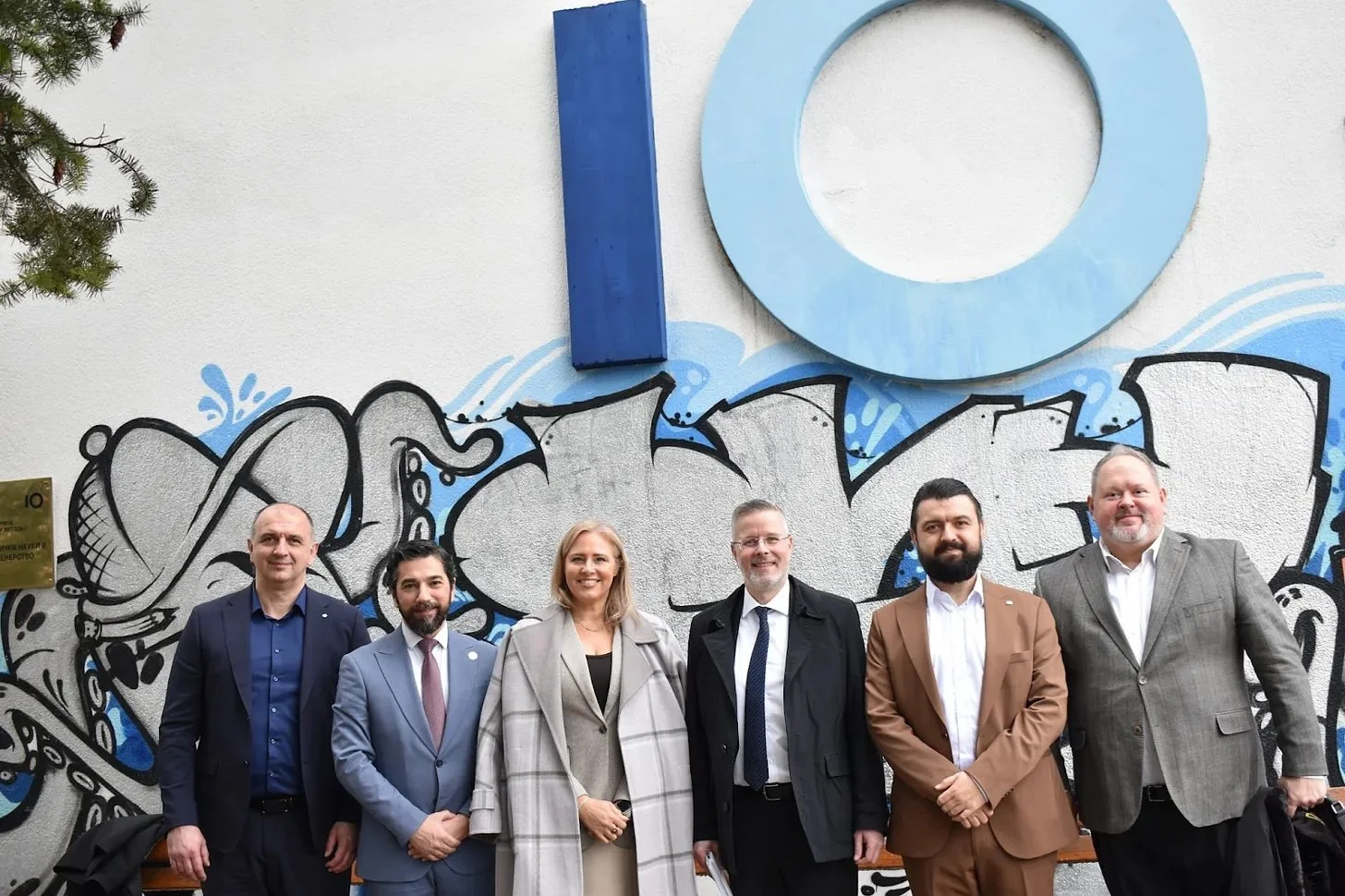
In Skopje, I had the honor of being introduced by the Swiss Ambassador, Christoph Sommer, for a conversation with students at the FINKI institute.
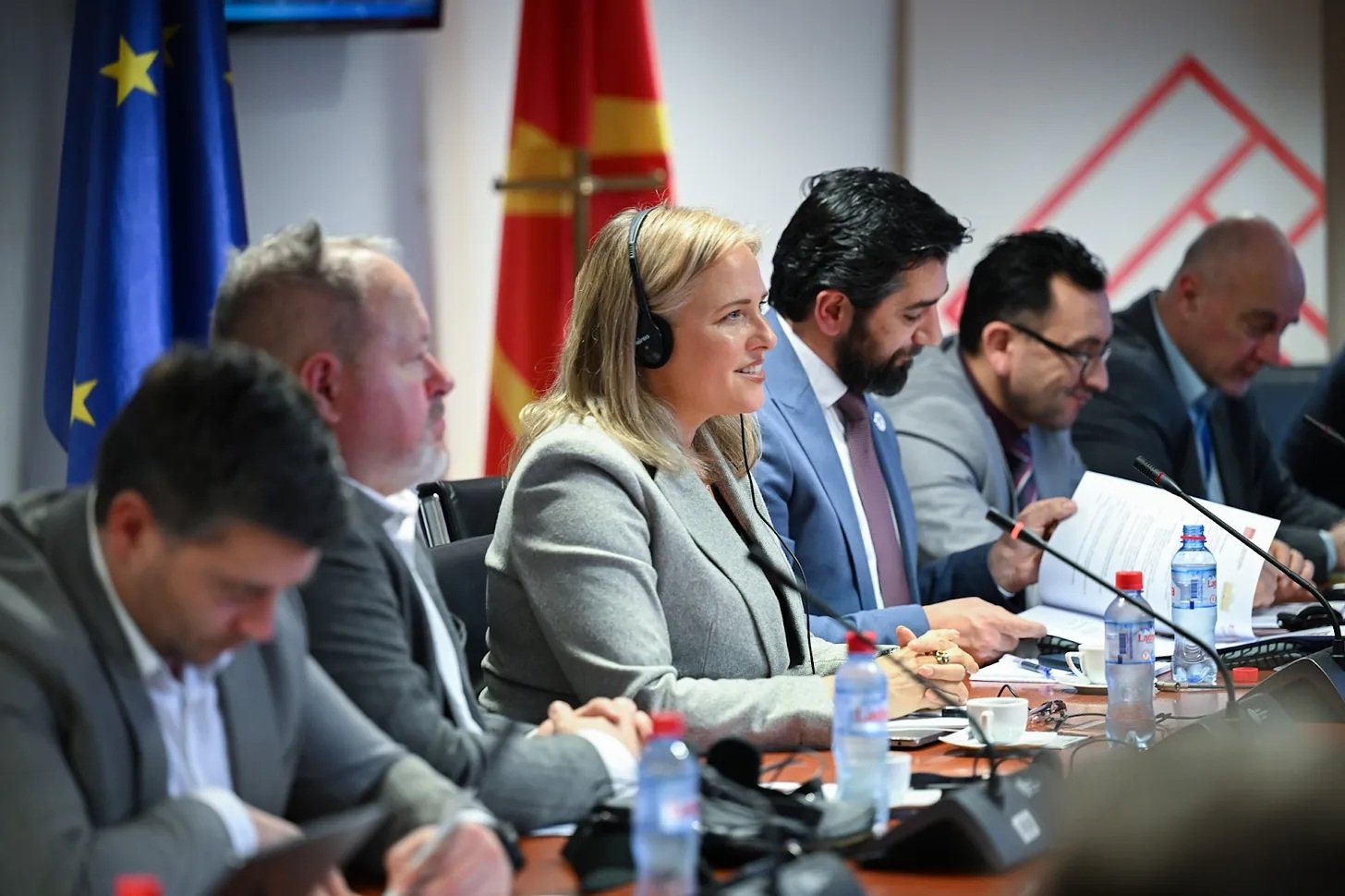
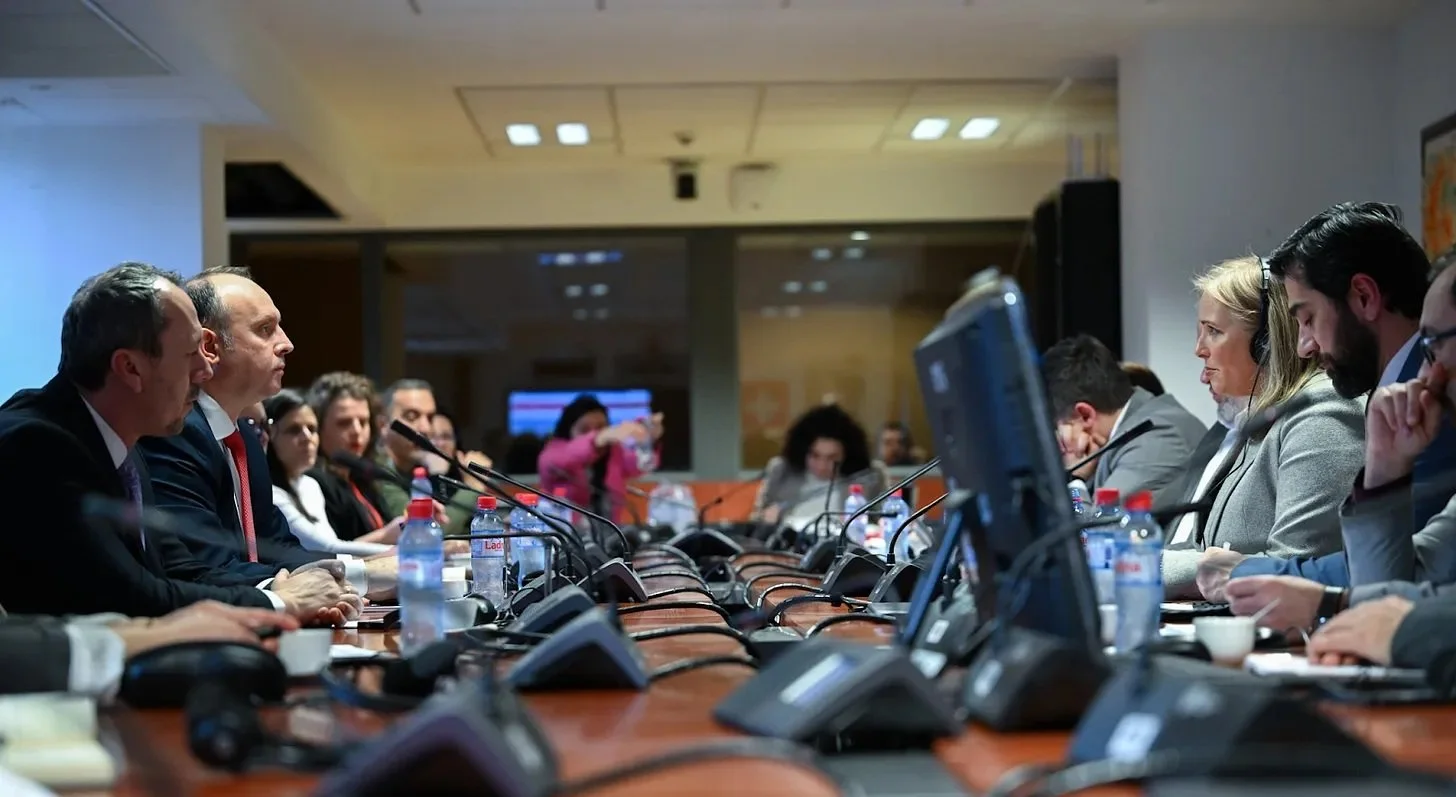
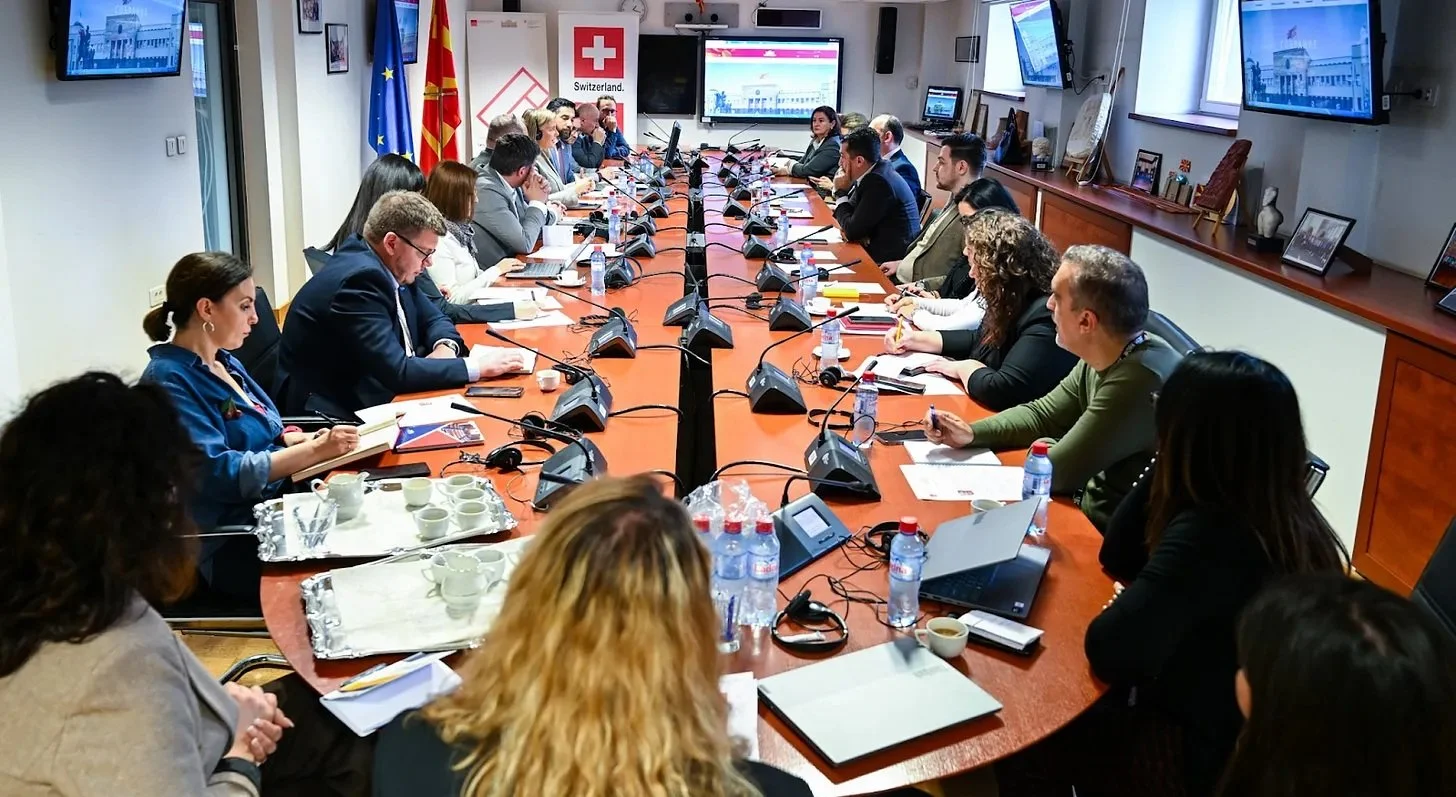
From there, the visit moved into the heart of the institution: meetings with the President of the Assembly and several MPs focused on AI in parliaments, a tool that can help with the daily grind of legislative work (information overload, document workflows, research support, translation, and making institutional knowledge easier to access).

Kosovo: The quiet intensity of preparing for a new parliament
The NDI Kosovo team went above and beyond to make our in-person meeting, driving several hours to join in Skopje. I was struck by the seriousness and pace of their work as they prepared for a new parliament (which was elected just a few weeks later) — a reminder that modernization can’t be a separate project that happens “later.” Institutions have to modernize while governing, in real time.
Tirana: A warm welcome, serious work, and the best kind of conversations
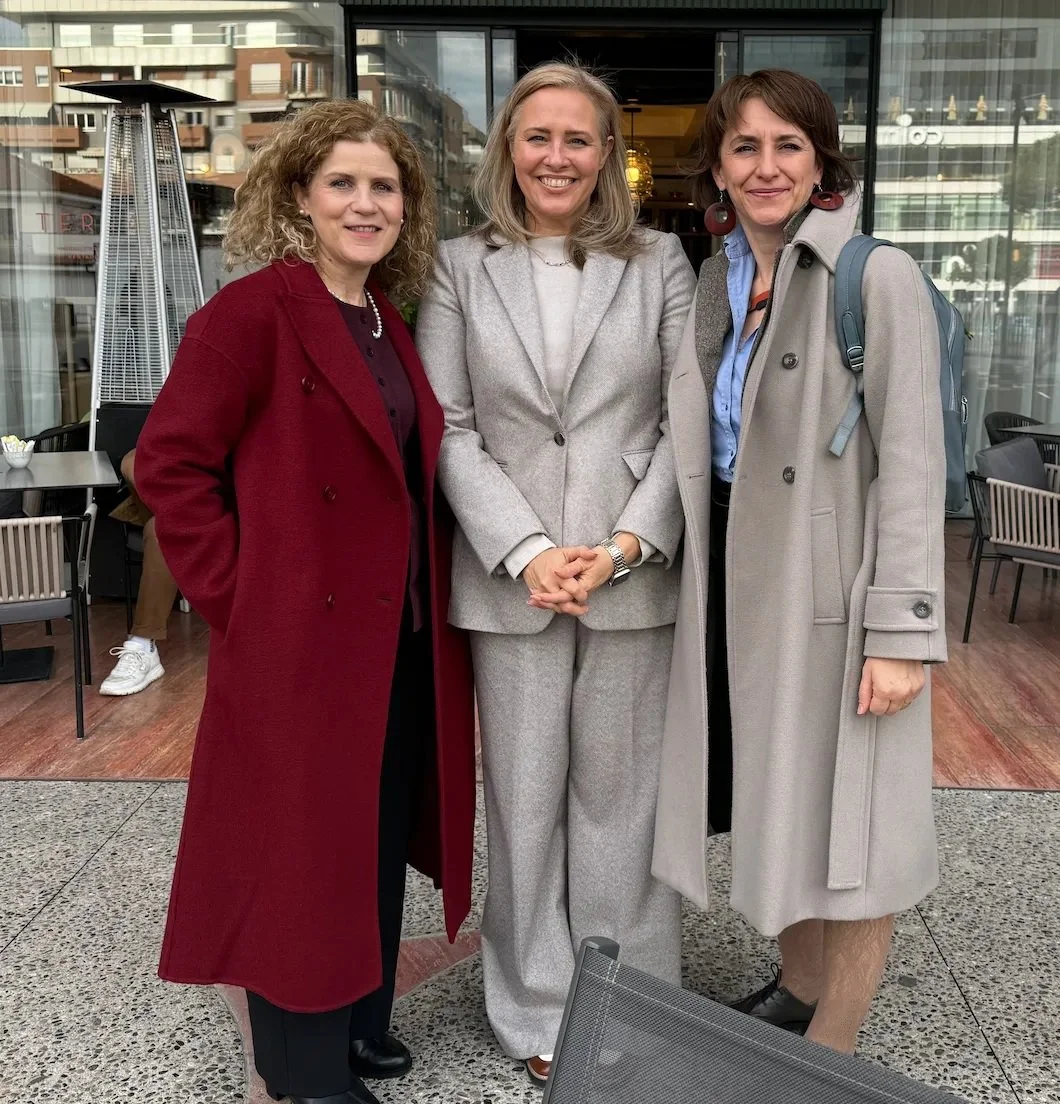
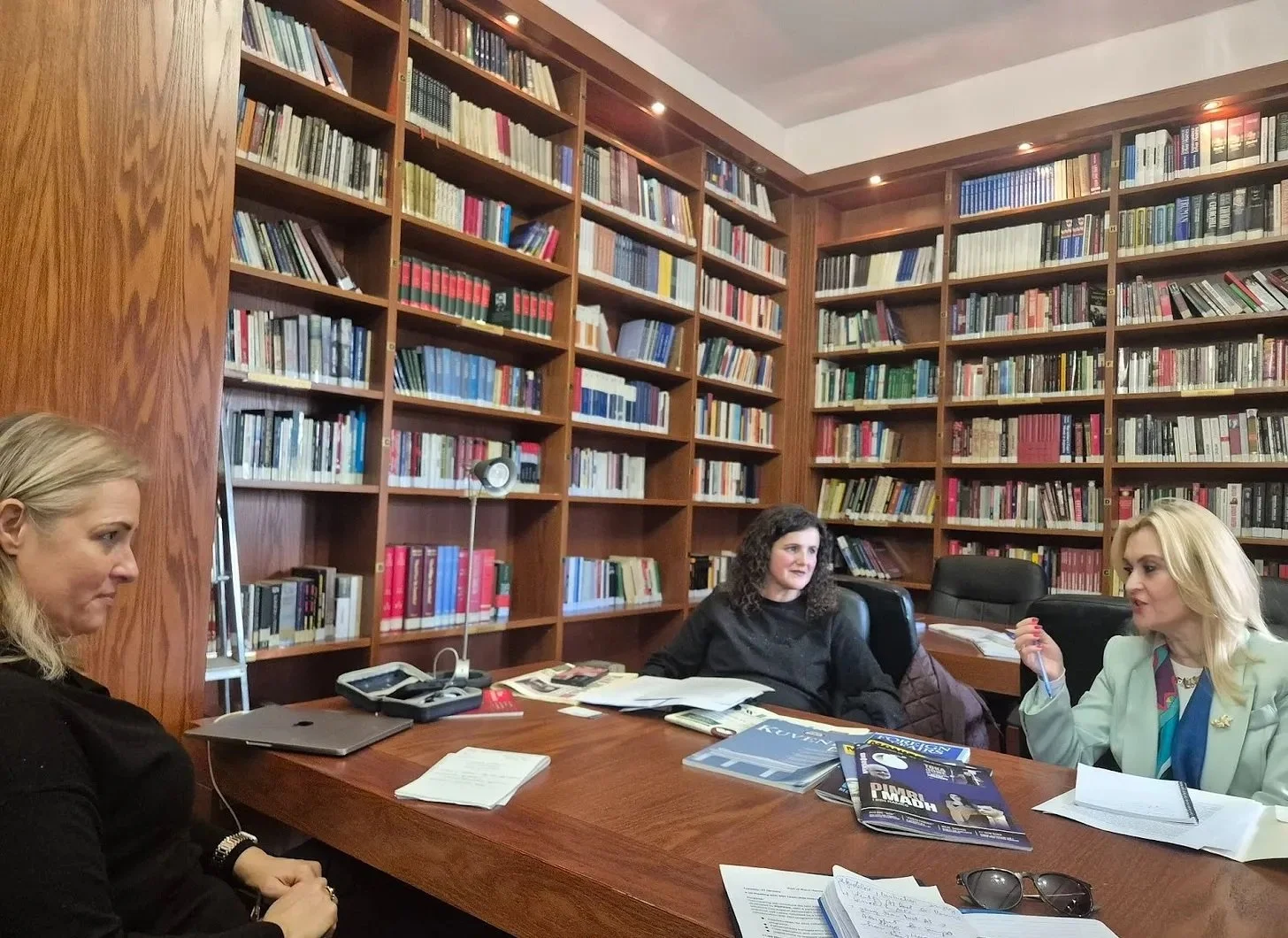
Then on to Tirana, where I had wonderful meeting with Besarta Vladi, Director of the Parliamentary Institute. I was impressed with this institutional leader who is clearly open to new tools and technology that can help strengthen the institution she leads.
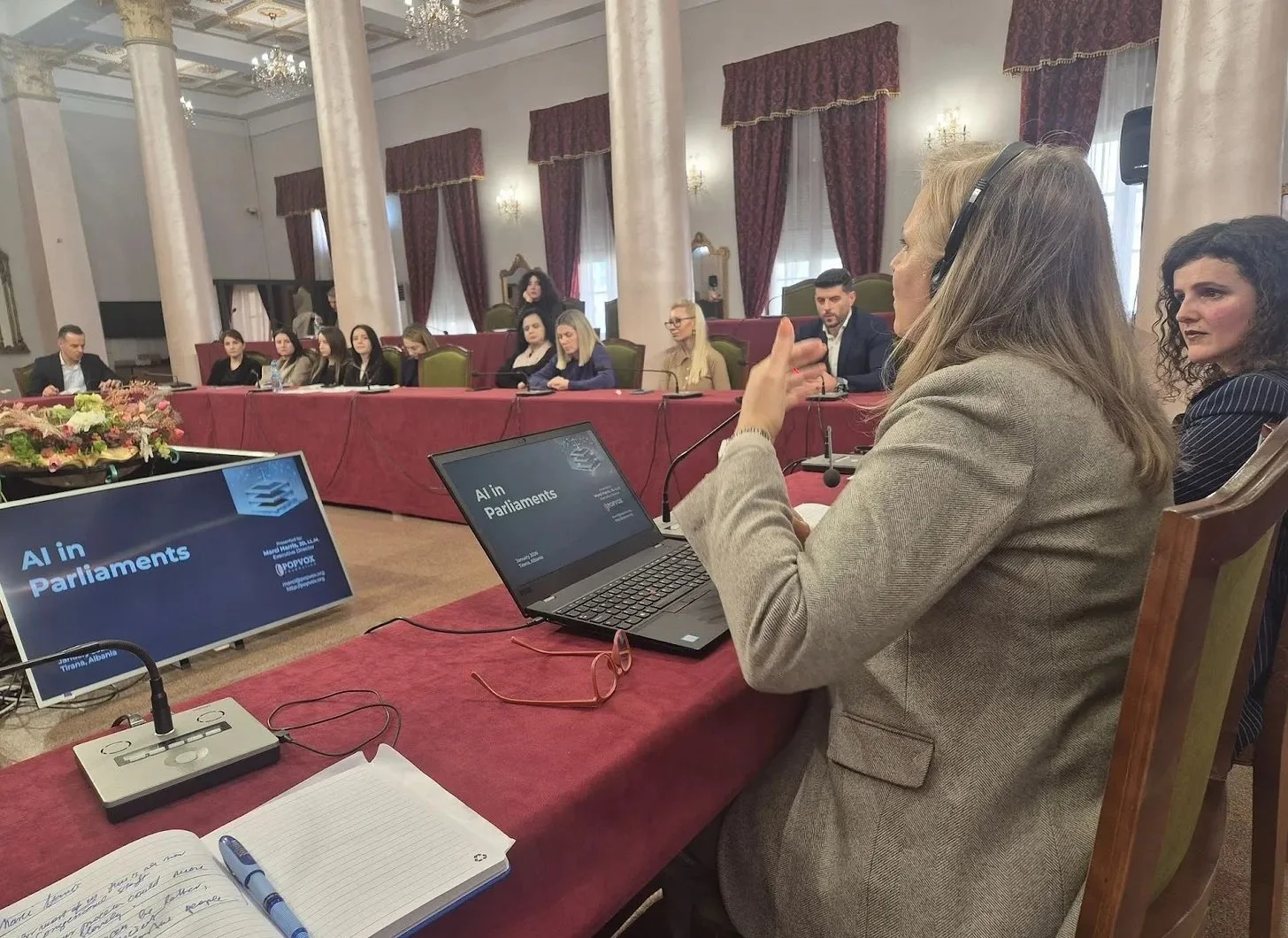
We also held a larger presentation and discussion with legislative staff, and again: the practicality stood out. People want tools that help them do their jobs better — without creating new dependencies, new risks, or new confusion. They want solutions that match how legislatures actually work.
Yes, I asked about the “Digital Minister”
Of course I asked about Albania’s much-discussed “Digital Minister,” the AI-generated avatar designed as a kind of one-stop front door to e-government services. It’s a fascinating initiative partly because it sits right at the intersection of the themes that kept coming up across the trip: trust, service delivery, procurement, oversight, and legitimacy.

What I heard across multiple conversations was less a debate and more a shared recognition of the stakes. In places where trust has been hard-won (or repeatedly tested), there’s a strong desire for systems that are more consistent, more transparent, and more auditable: systems that reduce arbitrary discretion and make processes easier for people to understand and navigate.
At the same time, everyone understands the core governance truth: technology doesn’t remove power. It relocates it. That’s why institutional capacity and oversight matter so much and why parliaments can’t afford to be behind the curve.
The Bigger Takeaway: Parliaments are ready to learn from each other — and build together
If I had to summarize the trip in one sentence, it’s this: There is a real appetite for practical, values-aligned AI adoption inside parliaments and a real openness to sharing lessons across borders.
That’s exactly the future POPVOX Foundation is working toward: parliaments learning together, building capacity together, and — where it makes sense — advancing together through open, interoperable tools that can be adapted locally without forcing institutions into opaque, one-off solutions.
We often talk about an inter-branch pacing problem: executives tend to adopt new tools faster than legislatures, which can weaken oversight at the exact moment it becomes more important. This trip reinforced that the solution is not “slow down.” The solution is to build parliamentary capacity: staff capability, data infrastructure, safe experimentation, shared standards, and trusted partnerships.
