
Where the Pacing Problem Becomes Visible
New research on UK MPs’ offices reveals how capacity constraints, fragmented systems, and rising expectations strain day-to-day representation. The findings highlight a growing “pacing problem,” where institutional support lags behind technological and civic demands.
Who Shapes the First Interpretation? A Fork in the Logic of Legislative Work
As large language models enter legislative workflows, a critical question emerges: who shapes the first interpretation of policy issues? AI may either centralize agenda-setting power or expand committees’ in-house analytical capacity, reshaping deliberation, transparency, and the balance between lawmakers and external influence.
What the Pacing Problem Means for Parliaments Around the World
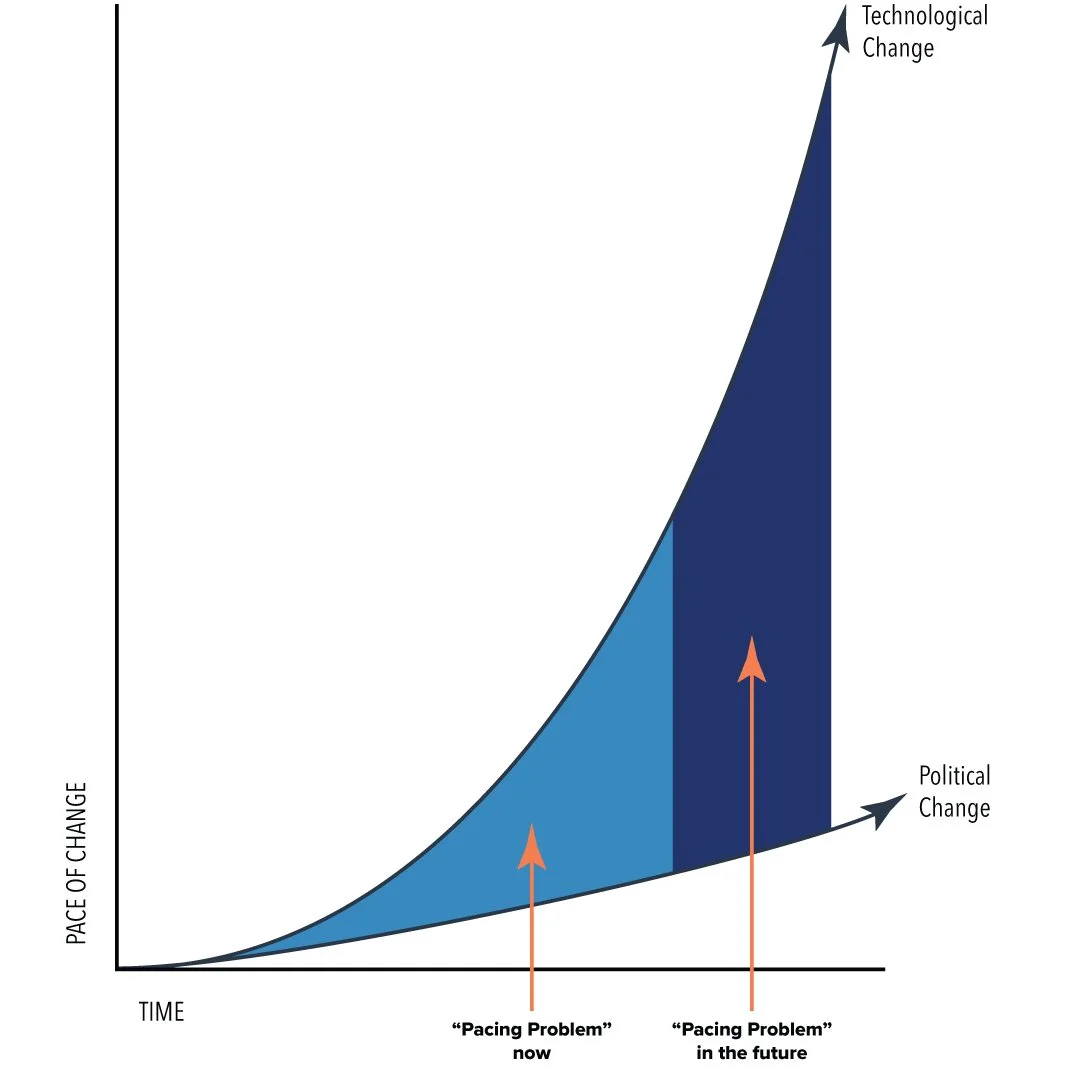
Parliaments worldwide face a growing “pacing problem” as rapid technological change outstrips democratic processes. This analysis breaks down external, interbranch, and internal challenges, and explores how tools like AI can help legislatures modernize, strengthen oversight, and keep pace with the evolving demands of governance.
Modernization by Experiment
An informal cross-party network of Members of the European Parliament is experimenting with new ways to make parliamentary debate more interactive. Through small procedural pilots, these MEPs are testing how institutional culture can evolve.

View From the West Balkans: North Macedonia, Kosovo, and Albania
An on-the-ground look at parliamentary modernization in North Macedonia, Kosovo, and Albania, highlighting how legislatures in Skopje, Pristina, and Tirana are approaching AI adoption with urgency and care. Conversations with MPs, parliamentary leaders, and the National Democratic Institute underscore a regional focus on legislative technology, institutional capacity, and cross-border collaboration to strengthen oversight and governance in the digital age.
Reimagining Parliament Through Foresight
How can parliaments think beyond short electoral cycles? This post examines policy foresight efforts such as the European Strategy and Policy Analysis System, Finland’s Committee for the Future, and Estonia’s Foresight Centre, showing how scenario planning and AI-supported analysis help legislatures prepare for long-term change.
From Citizen Ideas to Bills
Brazil’s Senate is advancing digital democracy with a new AI tool that links citizen ideas directly to bill drafting. Public suggestions can now inform legislation even without meeting endorsement thresholds, and the system has already contributed to a bill on protections for children of domestic violence victims.
When Law Becomes Data: What Brazil’s LexML Reveals About Akoma Ntoso
What Brazil’s LexML reveals about the future of structured law—and what Akoma Ntoso makes possible when legislation becomes interoperable data. A conversation with Monica Palmirani on digital standards, institutional silos, and why legal infrastructure matters in the age of AI.

Year One of the Digital Parliaments Project: What We Accomplished in 2025 and What's Ahead for 2026
One year after Caribbean parliamentarians identified a shared need to modernize legislative operations, the Digital Parliaments Project marks a key milestone. The first year saw the launch of ParlLink, an open-source, AI-enabled platform supporting legislative digitization and data standardization across partner parliaments. In 2026, the project will expand to new countries, introduce additional AI-powered tools, and strengthen a global community focused on practical parliamentary modernization.
From Slip-Up to Solution: How AI Can Help Fix Lawmaking in Estonia
A single missing word in Estonia’s gambling tax law nearly made online casinos tax-free, exposing how fragile legislative drafting can be. The error also sparked fast civic innovation: a former government CIO built an AI tool in a day to scan draft bills for mistakes, showing how artificial intelligence can strengthen lawmaking, improve oversight, and help catch costly errors before they become policy.
Why Legislative Modernizers Need to Pay Attention to this New Wave of AI
Claude Opus 4.5, Claude Code, Gemini 3 Pro, and agentic AI introduce stronger reasoning, automation, and multimodal capabilities with direct relevance to legislative research, drafting, analytics, and internal systems. For legislative modernizers, the shift signals a move from experimentation to real operational use inside parliaments.