
POPVOX Foundation Appropriations Requests: A Focus on Future-Proofing, Constituent Services, Security, and the Member Experience
POPVOX Foundation submitted fiscal year 2027 appropriations requests to House Appropriations Committee Members focused on modernizing Congress and strengthening its capacity to serve constituents. Key proposals include responsible AI adoption, improved casework coordination, continued modernization funding, enhanced security training, and better support for Members, staff, and Congressional families.

The 2,800-Mile Gap
A widening cultural divide between San Francisco and Washington, DC reveals contrasting attitudes toward risk, innovation, and career advancement. These differences shape how technology evolves and how government responds, with implications for policymaking, institutional adaptation, and the future of democratic governance in a rapidly changing world.

Updated: Where the House and Senate Are on Internal Use of AI
A detailed overview of how the US House of Representatives and Senate are governing internal use of artificial intelligence, including a summary of current AI policies, approved tools, and key limitations on staff use.
What Is RAG And Why It Matters for Legislative AI Use Cases
Retrieval-Augmented Generation (RAG) is a powerful approach that improves AI accuracy by grounding answers in trusted documents. For legislatures and government offices, RAG helps reduce hallucinations, surface relevant policies, and power reliable tools, making AI more transparent, accountable, and useful for Congressional and parliamentary workflows.
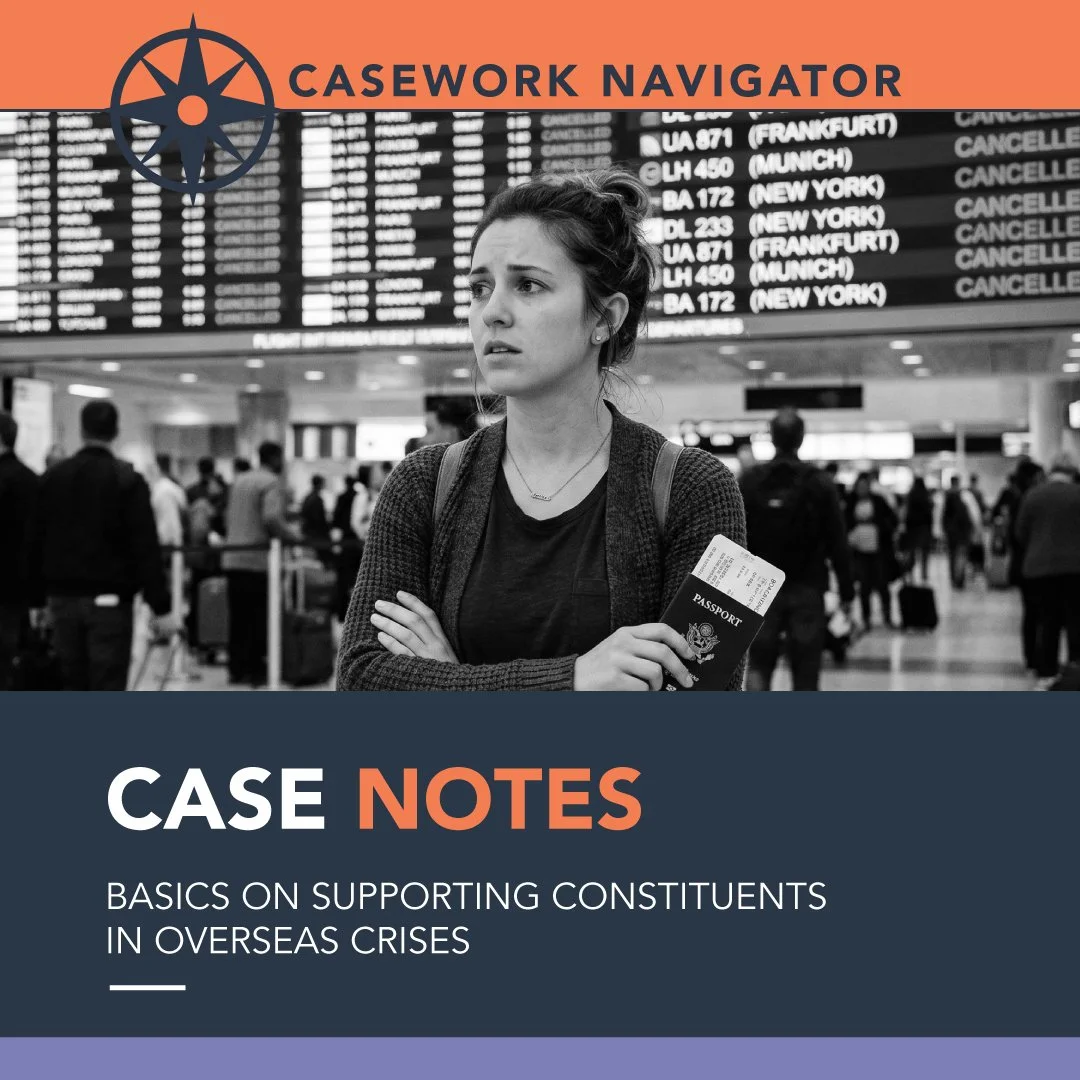
Basics on Supporting Constituents in Overseas Crises
Guidance for Congressional caseworkers supporting constituents during overseas crises, including State Department coordination, evacuations, embassy closures, and managing expectations with families. Also, major agency developments across immigration, IRS, FEMA, defense, healthcare, and the federal workforce.
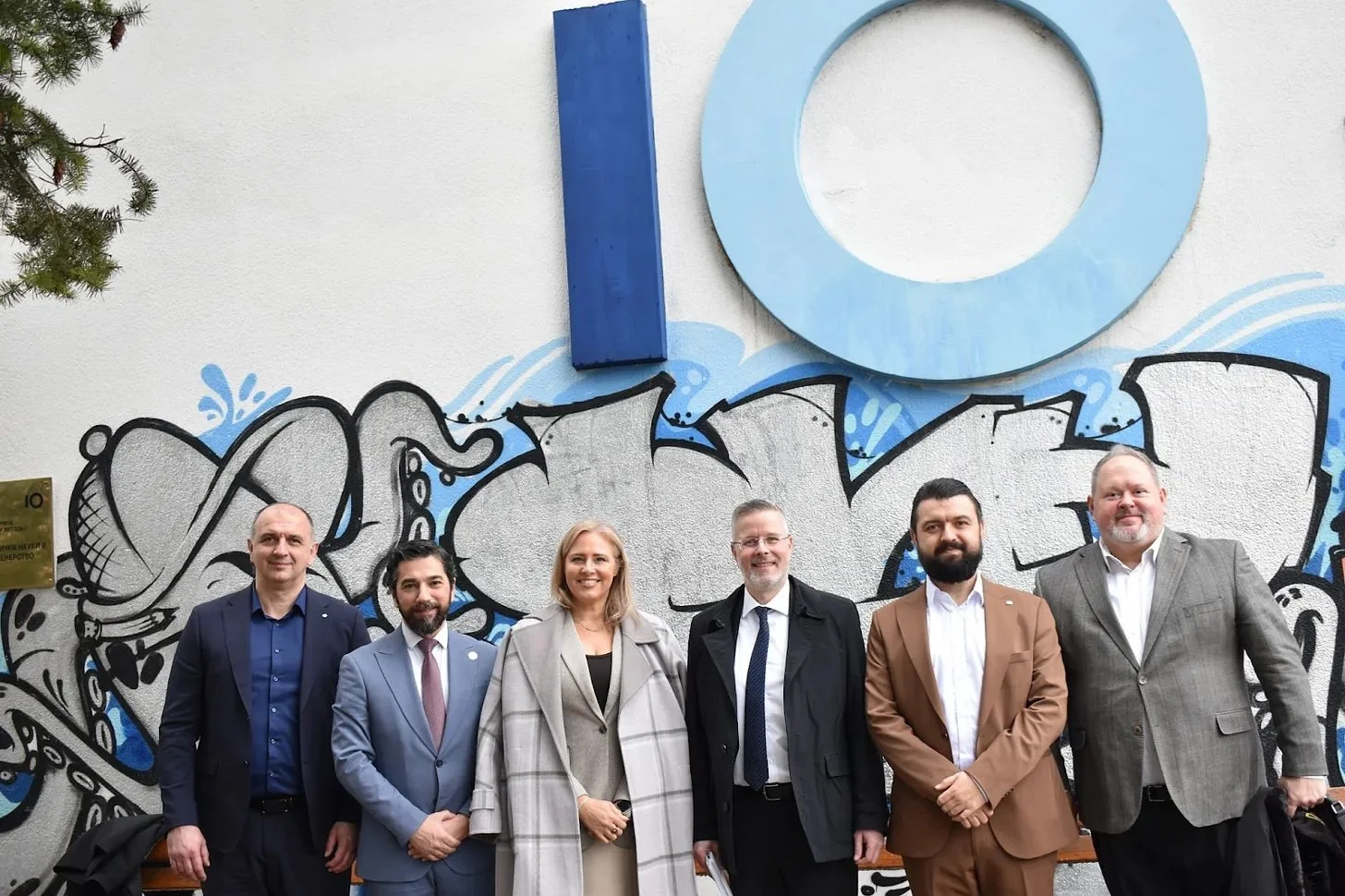
View From the West Balkans: North Macedonia, Kosovo, and Albania
An on-the-ground look at parliamentary modernization in North Macedonia, Kosovo, and Albania, highlighting how legislatures in Skopje, Pristina, and Tirana are approaching AI adoption with urgency and care. Conversations with MPs, parliamentary leaders, and the National Democratic Institute underscore a regional focus on legislative technology, institutional capacity, and cross-border collaboration to strengthen oversight and governance in the digital age.
Reimagining Parliament Through Foresight
How can parliaments think beyond short electoral cycles? This post examines policy foresight efforts such as the European Strategy and Policy Analysis System, Finland’s Committee for the Future, and Estonia’s Foresight Centre, showing how scenario planning and AI-supported analysis help legislatures prepare for long-term change.

One Stamp Every 40 months
An interview with Heather Nelson, founder of Poll the Vote, on building a civic tech platform that connects voters, candidates, and elected officials beyond election day. The conversation explores campaign spending, constituent communication gaps, data privacy, and how local innovation in Nebraska is reshaping voter engagement and legislative feedback.
The Call to Create the Congressional Capacity and Technology Office
As AI rapidly reshapes governance, Congress risks falling behind the institutions it oversees. POPVOX Foundation proposes creating the Congressional Capacity and Technology Office (C-TECH) to provide dedicated training, change management, and strategic tech support — strengthening Congress’s ability to oversee emerging technology effectively.
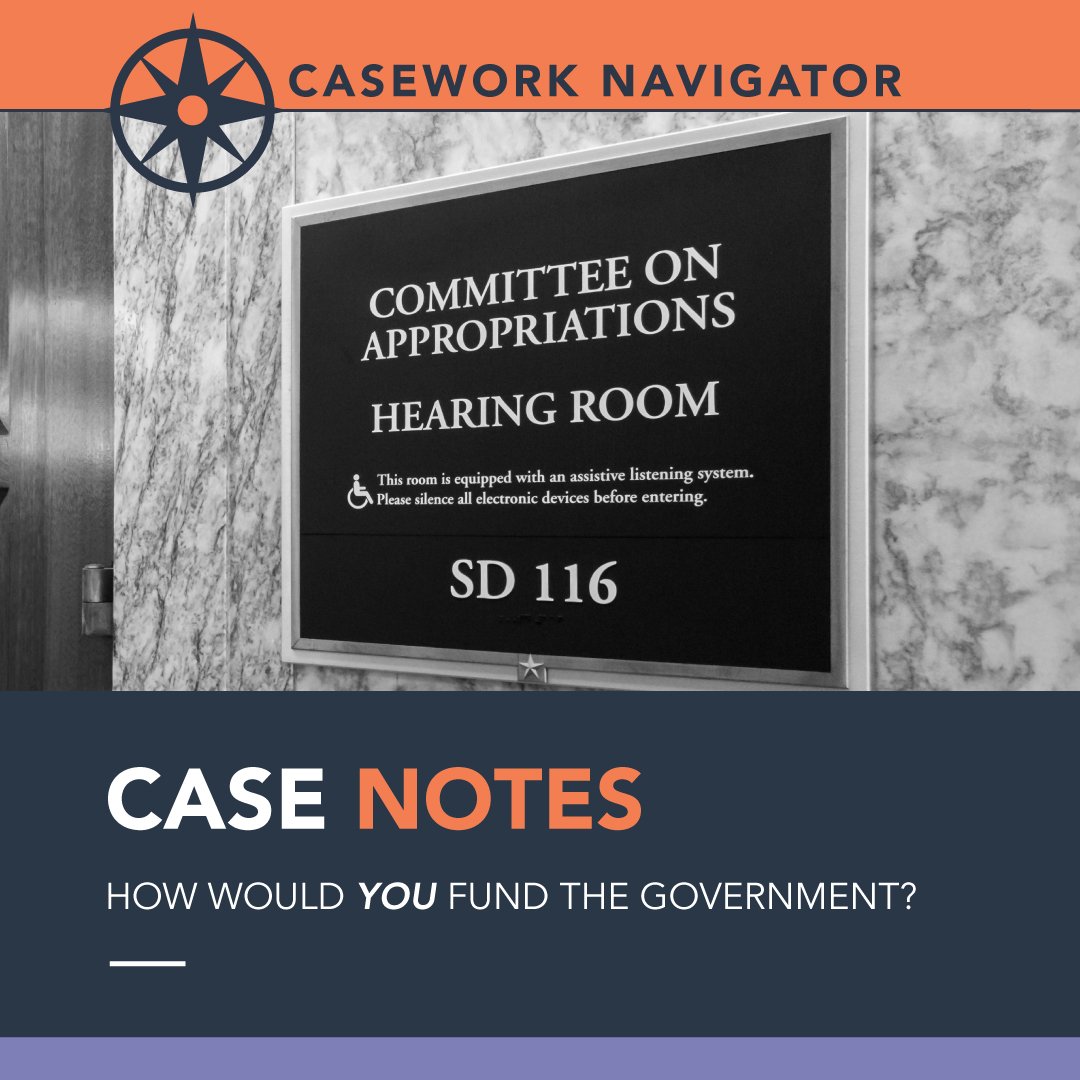
How would YOU fund the government?
From DHS funding lapses and immigration appeals changes to new VA disability rules and IRS filing season challenges, we unpack what appropriations season means for Congressional caseworkers.
From Citizen Ideas to Bills
Brazil’s Senate is advancing digital democracy with a new AI tool that links citizen ideas directly to bill drafting. Public suggestions can now inform legislation even without meeting endorsement thresholds, and the system has already contributed to a bill on protections for children of domestic violence victims.
AI Resources for MPs and Parliament Staff
AI is already changing how parliaments operate, and MPs and staff need practical, responsible guidance. Drawing on global legislative use cases, this post introduces AI resources designed for parliamentary offices, including policy templates, research workflows, and custom AI tools. Built for busy legislatures, these guides help boost capacity, support smart adoption, and keep human accountability at the center of parliamentary work.
When Law Becomes Data: What Brazil’s LexML Reveals About Akoma Ntoso
What Brazil’s LexML reveals about the future of structured law—and what Akoma Ntoso makes possible when legislation becomes interoperable data. A conversation with Monica Palmirani on digital standards, institutional silos, and why legal infrastructure matters in the age of AI.
The Best-kept Secret Federal Feedback Loop Model
The Taxpayer Advocate Service offers a rare, effective federal feedback loop that links taxpayer service requests to real improvements in IRS operations, Congressional oversight, and legislative reform. By turning individual cases into actionable data, TAS strengthens state capacity, accountability, and public trust — providing a proven model for modern constituent engagement and democratic governance.

Caseworkers Always Know the Good Stuff First
Frontline casework trends are tied to oversight, policy, and real-world impact. Practical insights, early warning signs, and real examples help turn constituent experiences into smarter oversight and better service.

Year One of the Digital Parliaments Project: What We Accomplished in 2025 and What's Ahead for 2026
One year after Caribbean parliamentarians identified a shared need to modernize legislative operations, the Digital Parliaments Project marks a key milestone. The first year saw the launch of ParlLink, an open-source, AI-enabled platform supporting legislative digitization and data standardization across partner parliaments. In 2026, the project will expand to new countries, introduce additional AI-powered tools, and strengthen a global community focused on practical parliamentary modernization.

If I Can Use AI at Work, You Can Too
A firsthand look at using AI in everyday Congressional work (without coding or technical expertise!) including practical examples, safety considerations, and why responsible AI adoption can help staff work smarter and keep pace with rapid change.
From Slip-Up to Solution: How AI Can Help Fix Lawmaking in Estonia
A single missing word in Estonia’s gambling tax law nearly made online casinos tax-free, exposing how fragile legislative drafting can be. The error also sparked fast civic innovation: a former government CIO built an AI tool in a day to scan draft bills for mistakes, showing how artificial intelligence can strengthen lawmaking, improve oversight, and help catch costly errors before they become policy.
Hang In There, Immigration Caseworkers
Practical guidance (and solidarity!) for immigration caseworkers navigating an especially demanding moment, alongside critical updates on SSA, IRS, FEMA, and other high-volume casework agencies. Plus, two upcoming trainings!
David vs. Goliath, But They're the Same Person
Campaigns spend billions reaching voters, while Congress has far fewer resources to engage constituents in its governing role. The widening gap between campaign outreach and official representation helps explain public distrust, uneven access to services, and why political contact so often feels transactional rather than civic.